FineArtDaily serial
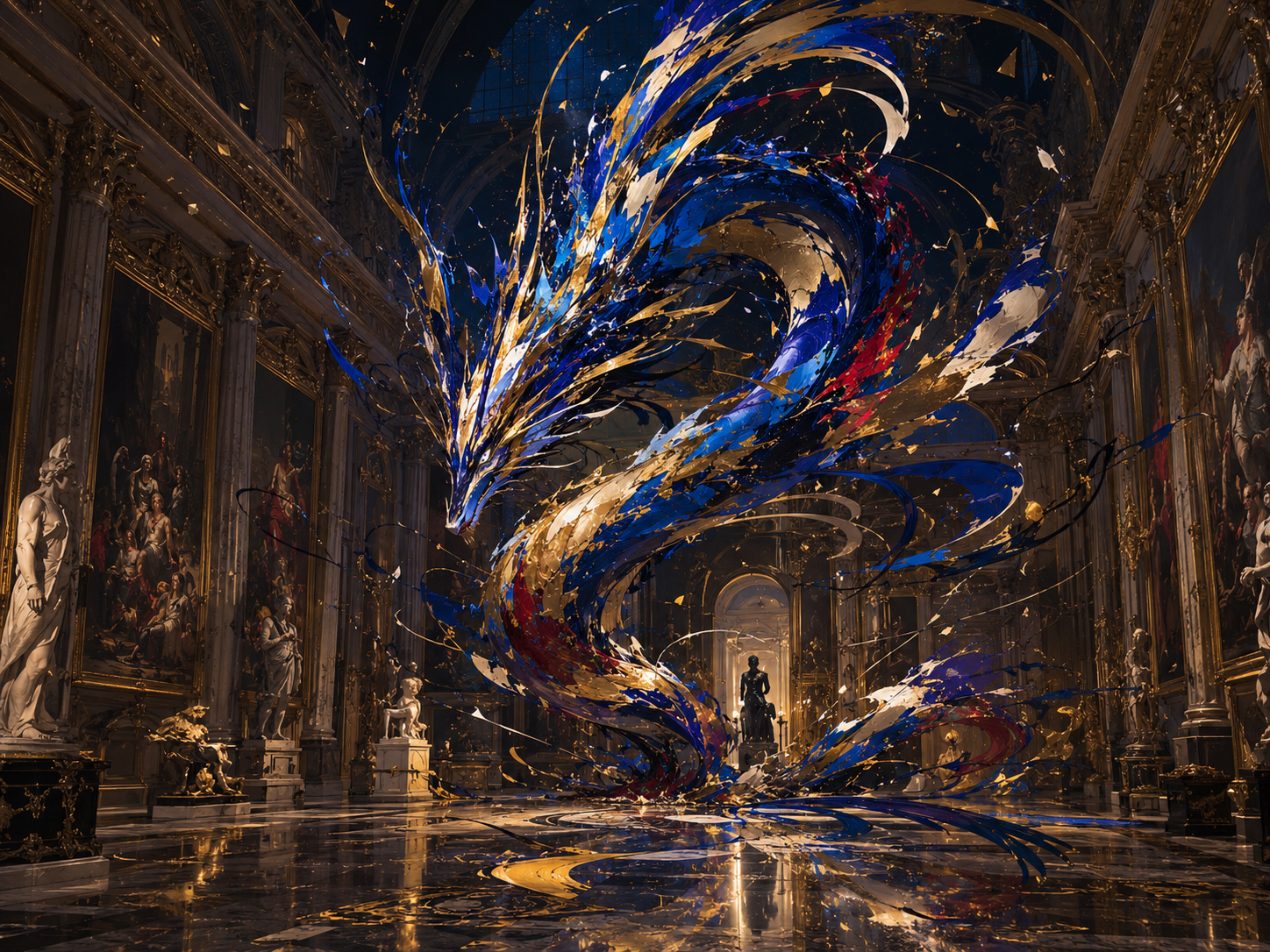
The frame begins to smoke.
Professor Perspective has barely finished repairing the room when the newest painting starts making thunder noises. Its gold frame bends. Its labels flutter. A red triangle sprints across the canvas, followed by a blue circle, three yellow lightning bolts, and something that might be a horse if horses were made of jazz.
Curator Cat steps backward. “This painting is not following the floor plan.”
Palette Goblin grins. “Finally. A professional.”
The Abstract Dragon unfolds from the canvas in a storm of color. “Realism is lovely,” it says, “but today we paint what the room feels like.”
Six panels from the case file
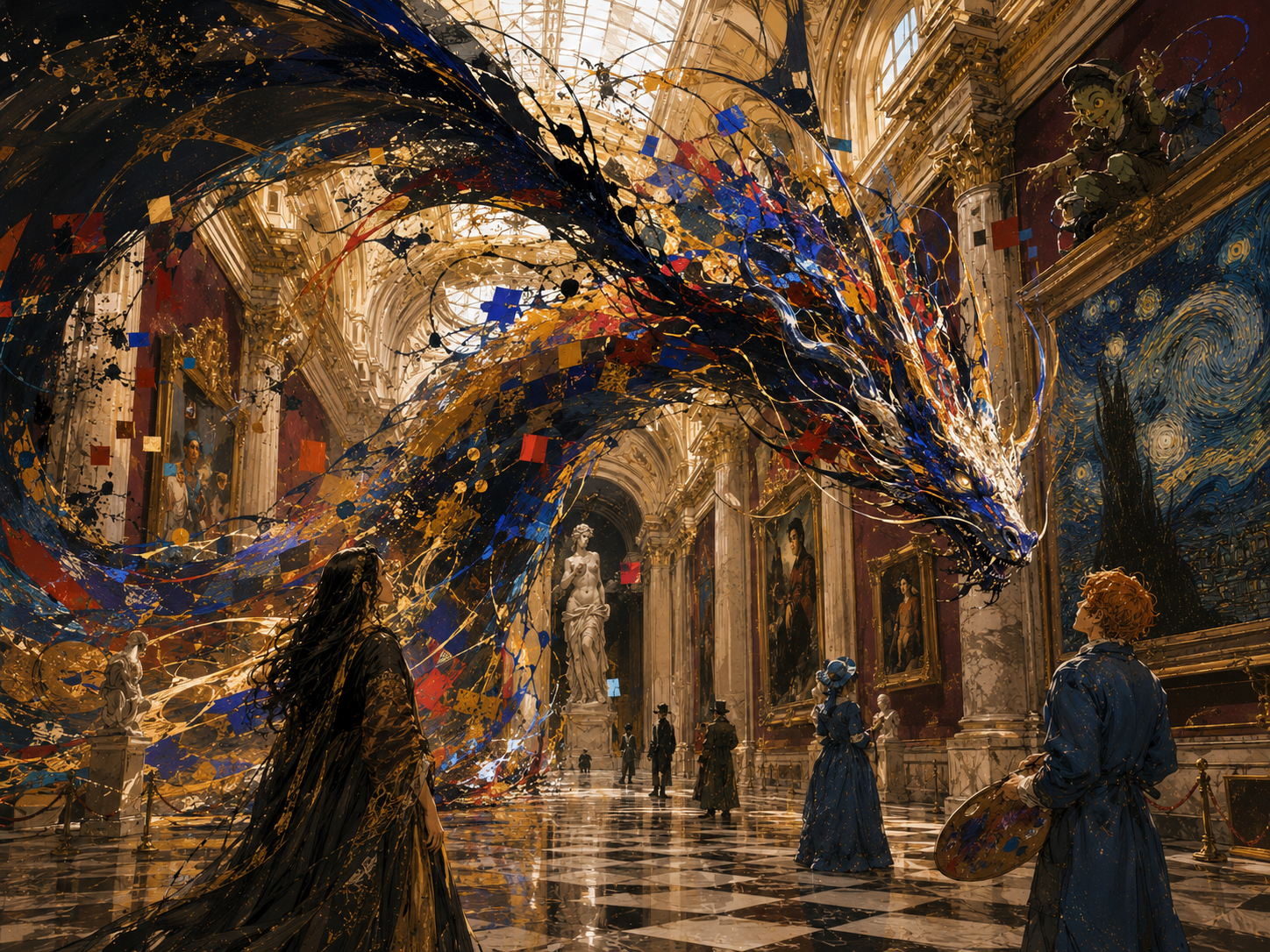
1. The dragon steps through color
It does not enter from a door. It enters from a feeling, which annoys the museum guard immediately.
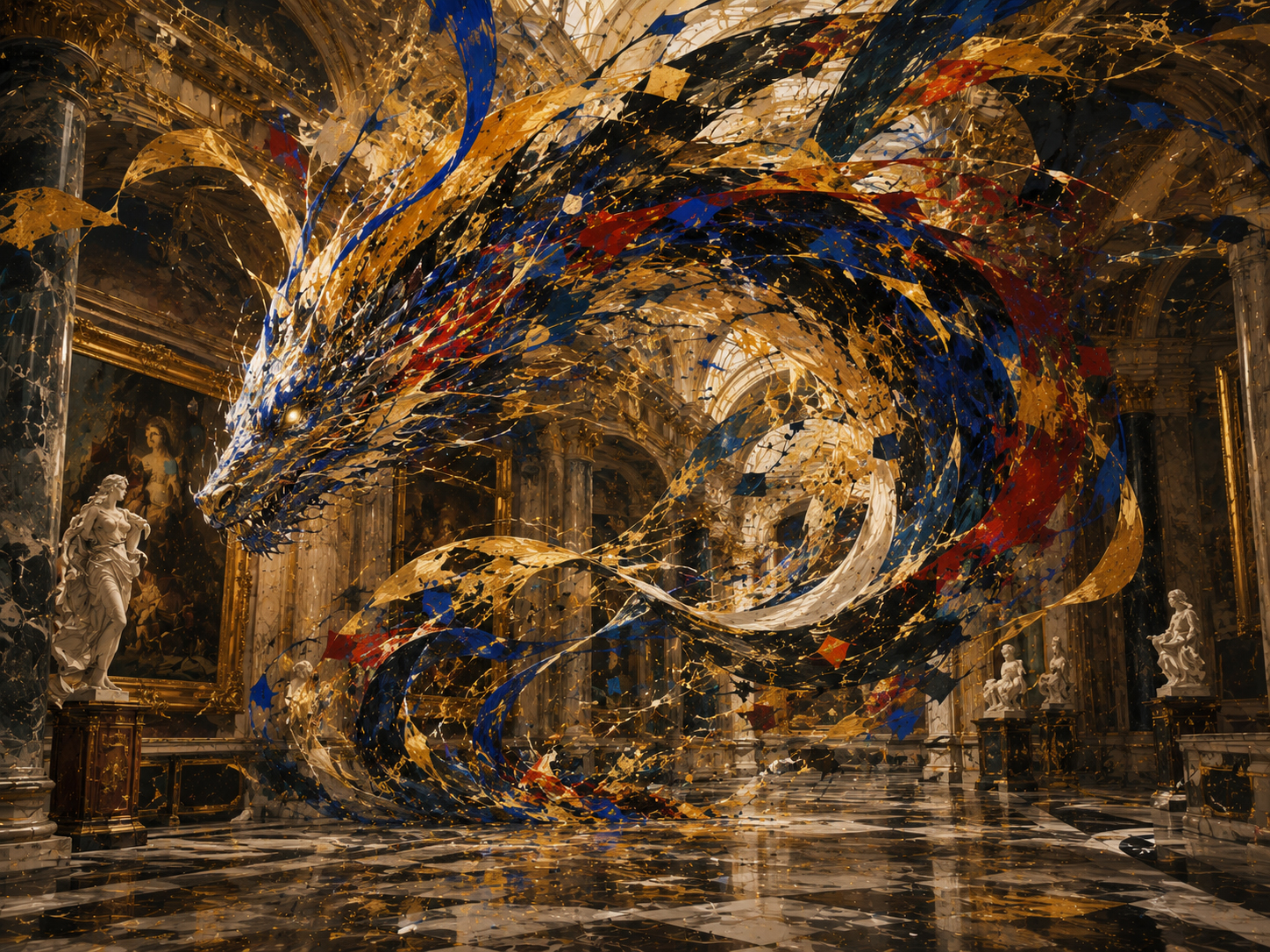
2. The dragon refuses the chair test
“Where is the chair?” asks a visitor. The dragon points to a purple rectangle. “Emotionally, there.”
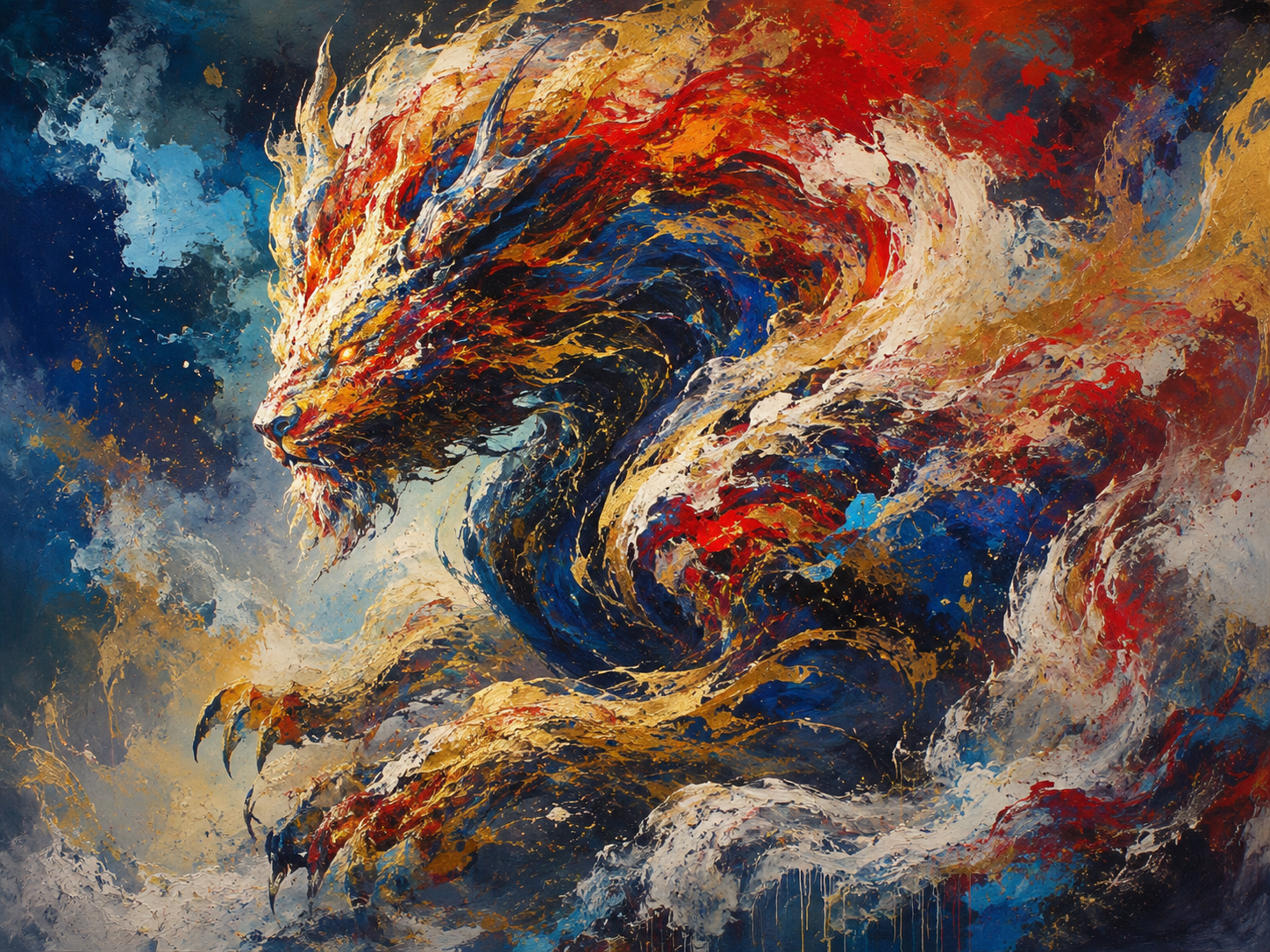
3. Color becomes creature
Red roars. Blue hums. Yellow behaves like a trumpet that has skipped breakfast.
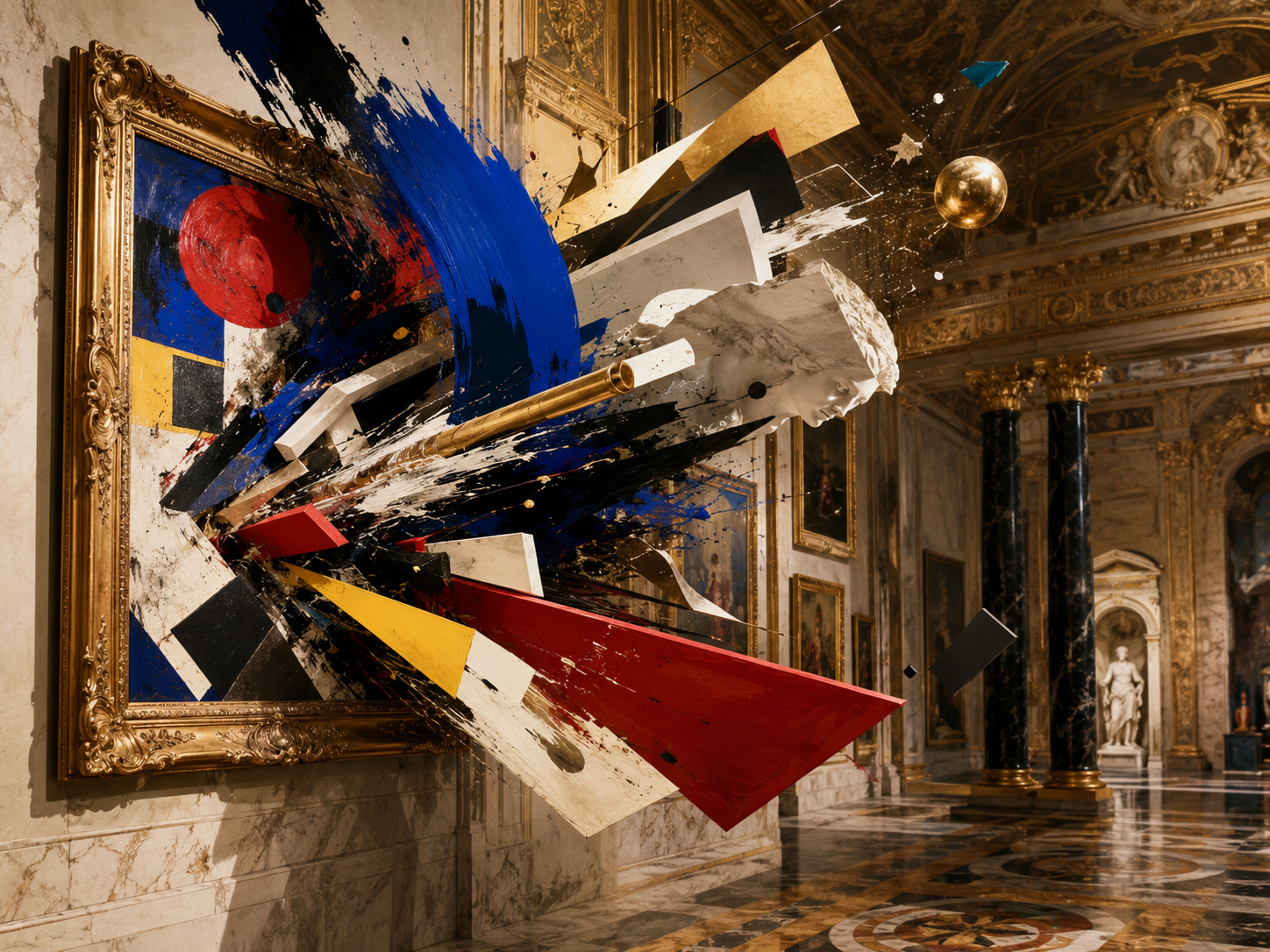
4. The frame gives up
The old gold frame tries to contain the composition. The composition politely declines.
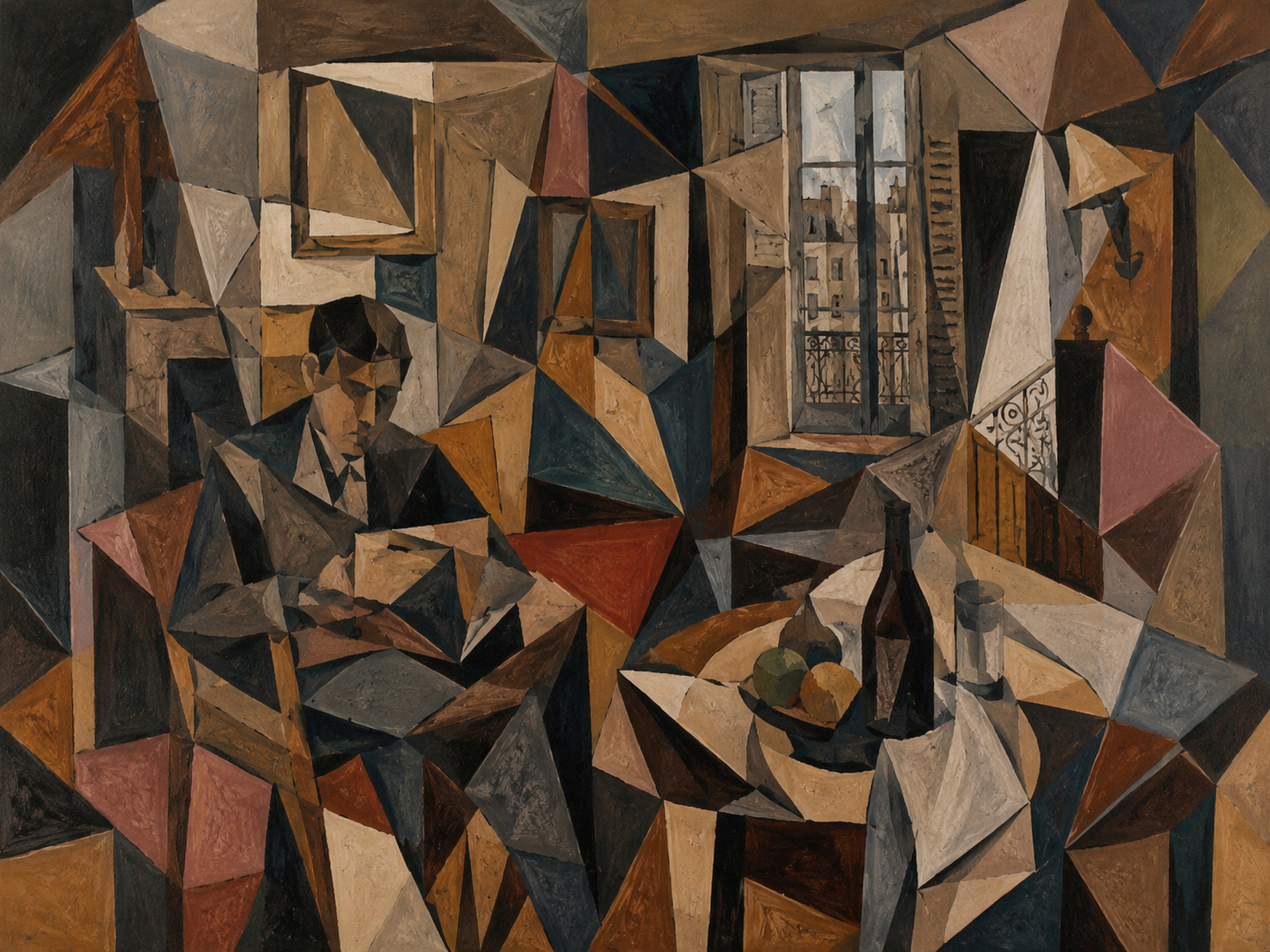
5. Space gets rearranged
Professor Perspective watches a table become twelve viewpoints and quietly sits down.
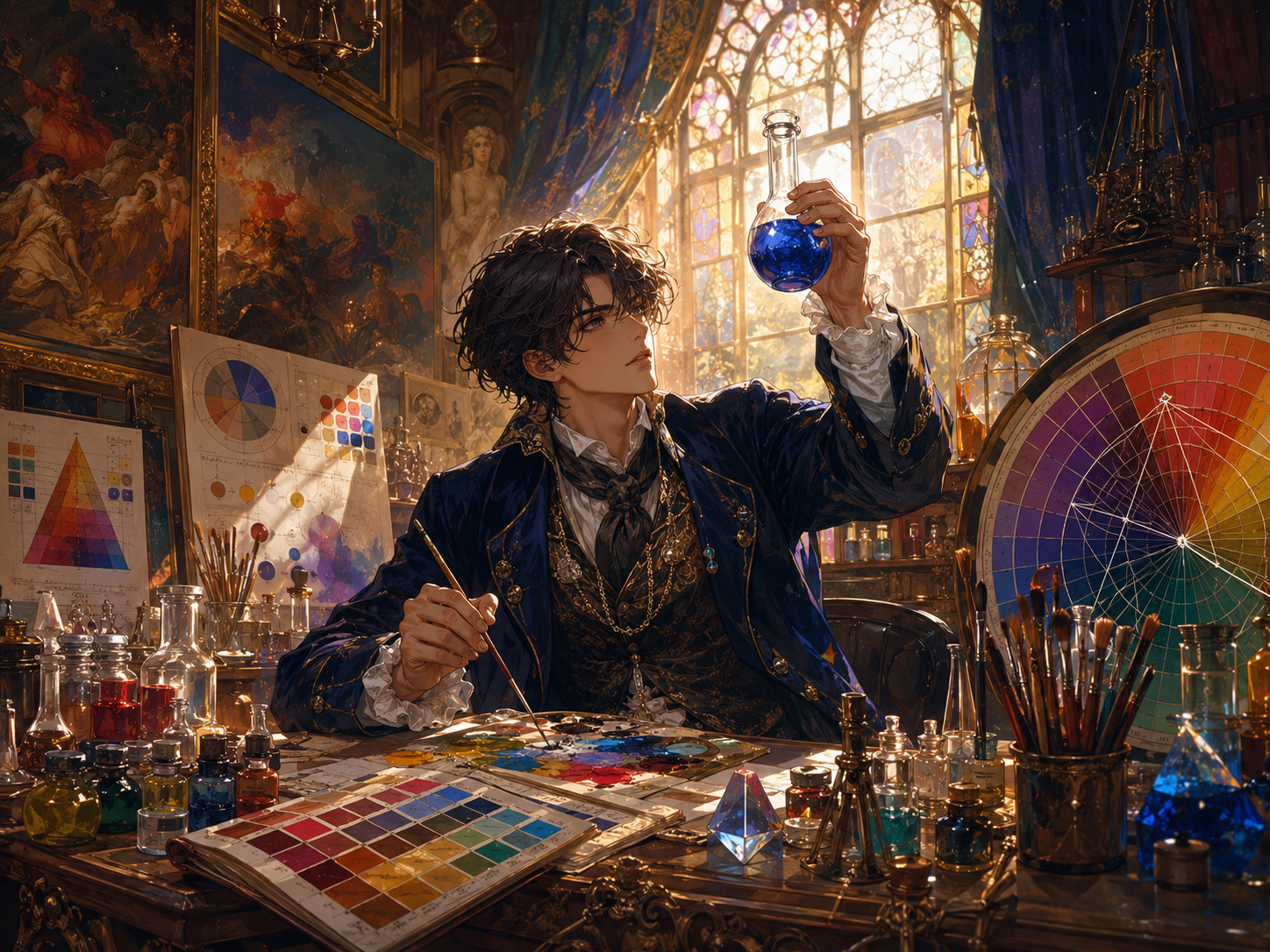
6. The museum learns a new language
Shape, value, edge, rhythm, and contrast start speaking louder than objects.
The art lesson hiding in the roar
Abstract art does not always show recognizable things. Instead, it may use color, shape, line, texture, rhythm, scale, and contrast to create meaning. A painting can be serious without depicting a person. It can feel stormy without showing a storm. It can suggest music, pressure, speed, grief, joy, balance, or conflict through pure visual decisions.
The trick is not to ask only, “What is it?” Ask better questions: What moves first? What feels heavy? What feels sharp? Where is the tension? What color is doing the loudest work? What part feels calm? What part refuses to calm down?
How to look at abstract art
- Start with movement. Let your eye travel. Notice where it speeds up, slows down, or gets trapped.
- Name the dominant forces. Is the painting ruled by color, line, texture, shape, contrast, or scale?
- Read the mood before the subject. Even without objects, the work may feel calm, violent, playful, sacred, anxious, or explosive.
- Look for balance. Abstract art often creates structure through repetition, rhythm, visual weight, and negative space.
- Do not demand a translation. Some art is closer to music than a sentence. You do not need every note explained to feel the composition.
Curator Cat updates the label.
After the Abstract Dragon finishes reorganizing the gallery’s emotional weather, the visitors stop asking where the chair went. One child points to a green spiral and says, “That part feels like running downhill.”
The dragon bows. “Correct.”
Curator Cat adds a new label beneath the painting: Do not touch. Do not over-explain. Stand back and let it happen.
Next in the museum
Curator Cat hangs a masterpiece one inch higher. The entire museum discovers that one inch can become a philosophical crisis.