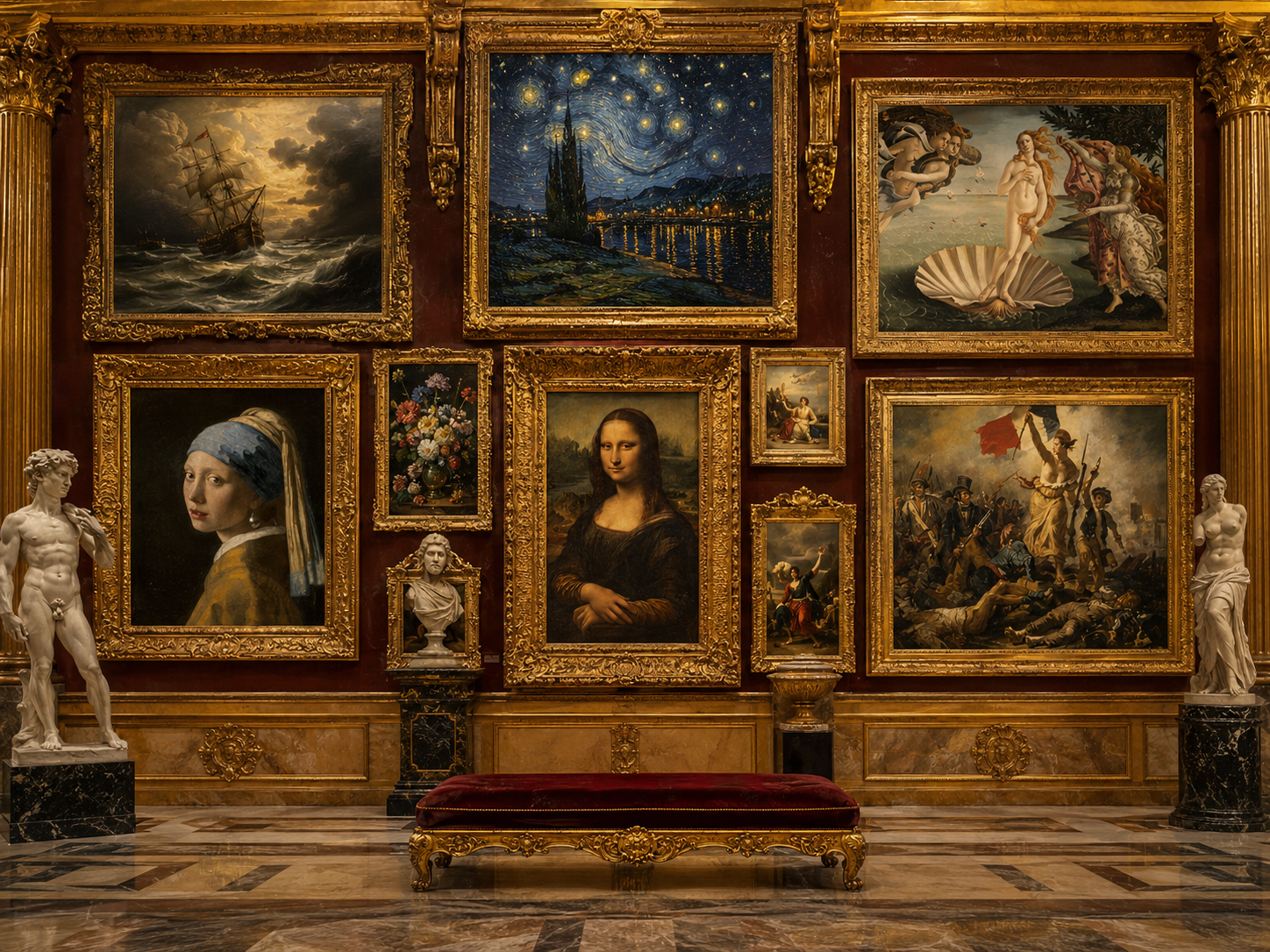
The museum shortcut
Why do certain paintings become famous?
Fame in art history is not one thing. A painting can become famous because of technical mastery, emotional force, cultural symbolism, scandal, rarity, theft, restoration, reproduction, museum prestige, or the simple fact that millions of people have stared at it and said, “Wait. What is going on here?”
The most useful way to approach a famous painting is not to ask, “Why am I supposed to like this?” Ask instead: What visual problem did this painting solve so well that people kept talking about it?
A composition so memorable it turns into cultural shorthand.
Light, space, brushwork, anatomy, color, or detail handled with alarming control.
A smile, mirror, gesture, room, storm, or symbol that refuses one easy answer.
Copies, books, posters, memes, museums, schools, arguments, and restorations.
Renaissance icons: order, bodies, mystery
Renaissance paintings became famous partly because they organized the world. Perspective made space behave. Anatomy gave bodies weight. Classical ideas returned wearing Christian and civic costumes. The result was art that felt intelligent, balanced, and quietly dramatic.
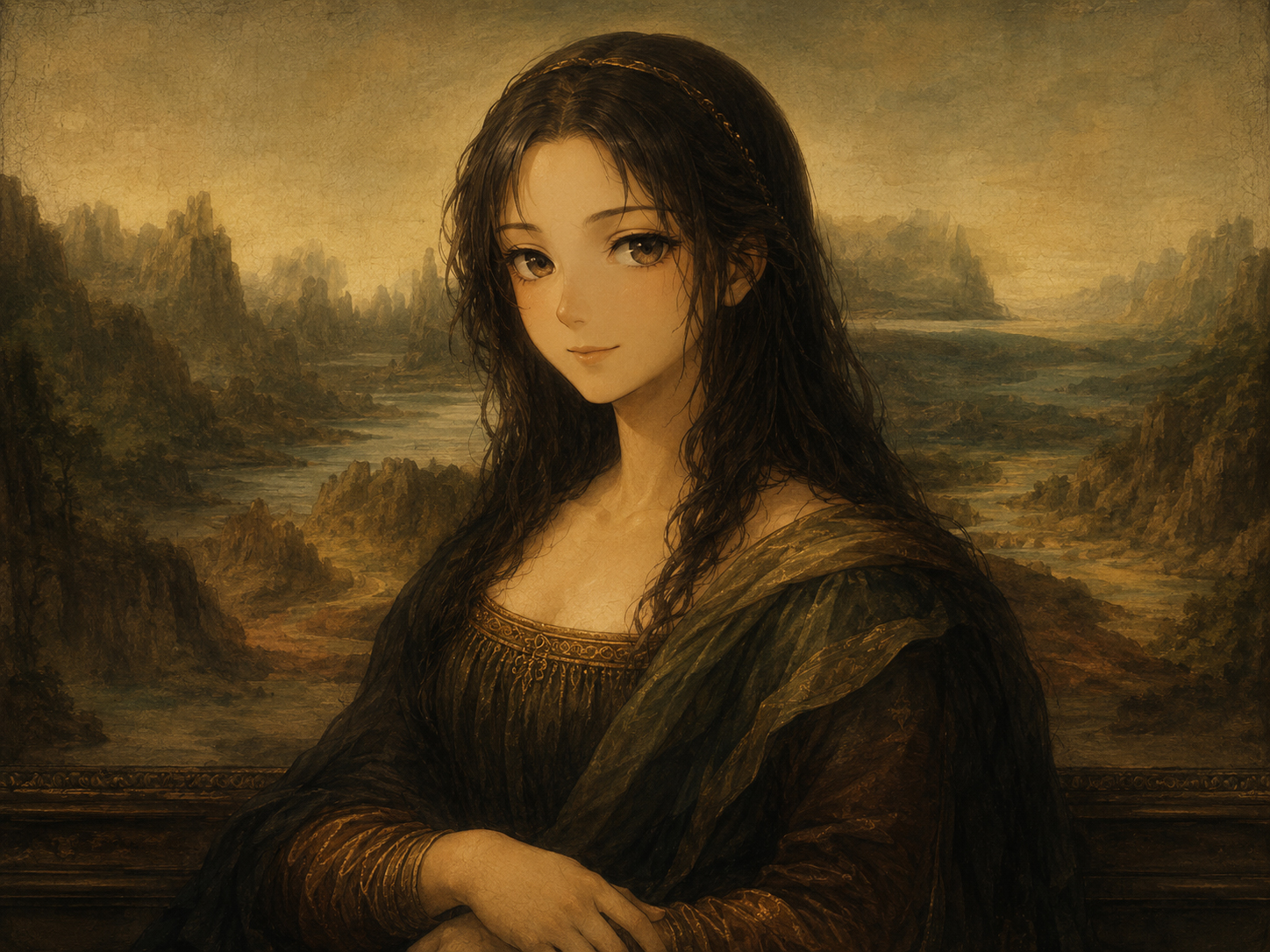
Mona Lisa
The most famous smile in art history is not loud. It works because it stays slightly out of reach.
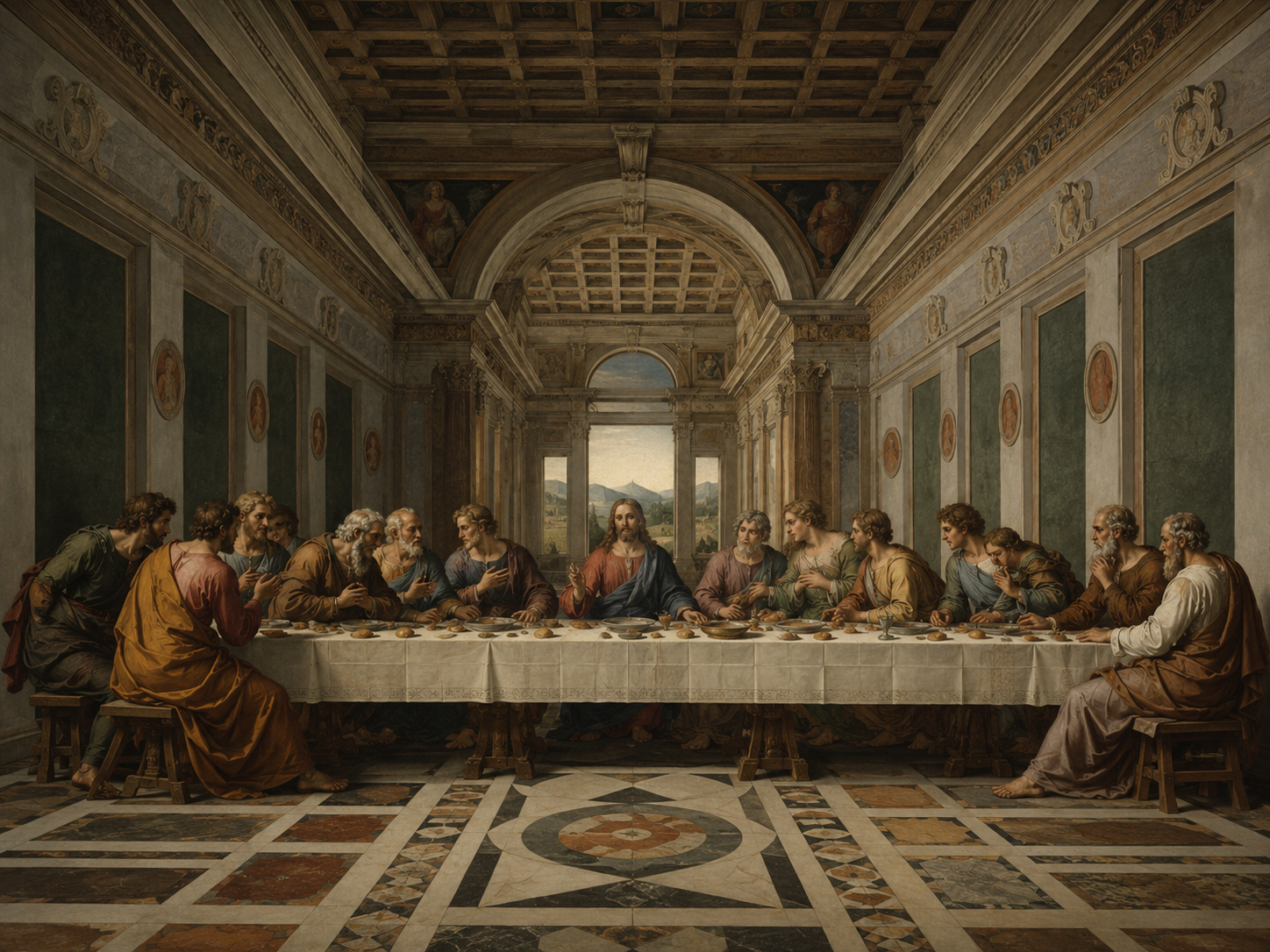
The Last Supper
Perspective turns a dining room into a stage where every reaction becomes part of the drama.
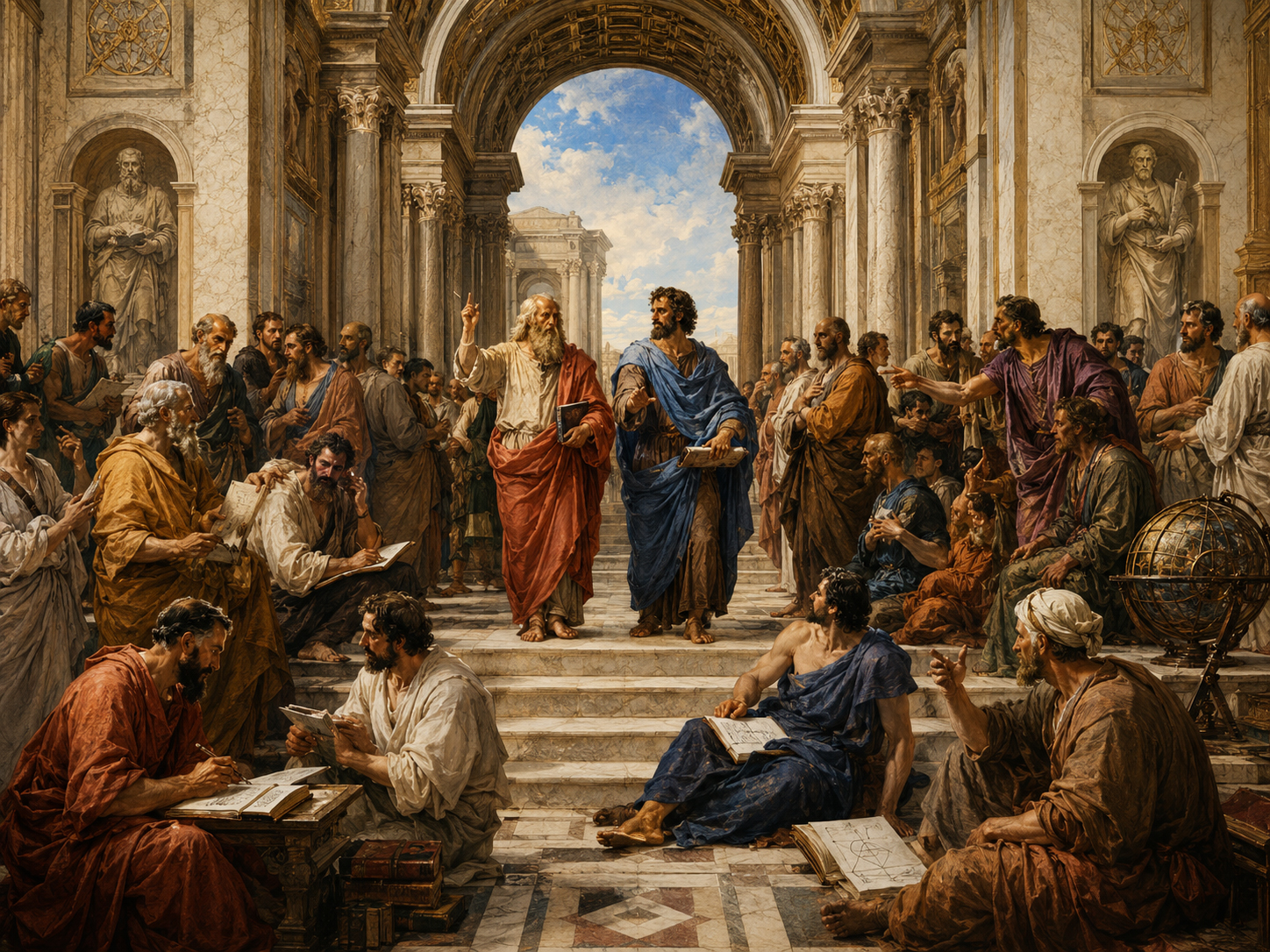
The School of Athens
A grand room where architecture, philosophy, celebrity cameos, and perfect balance all show off at once.
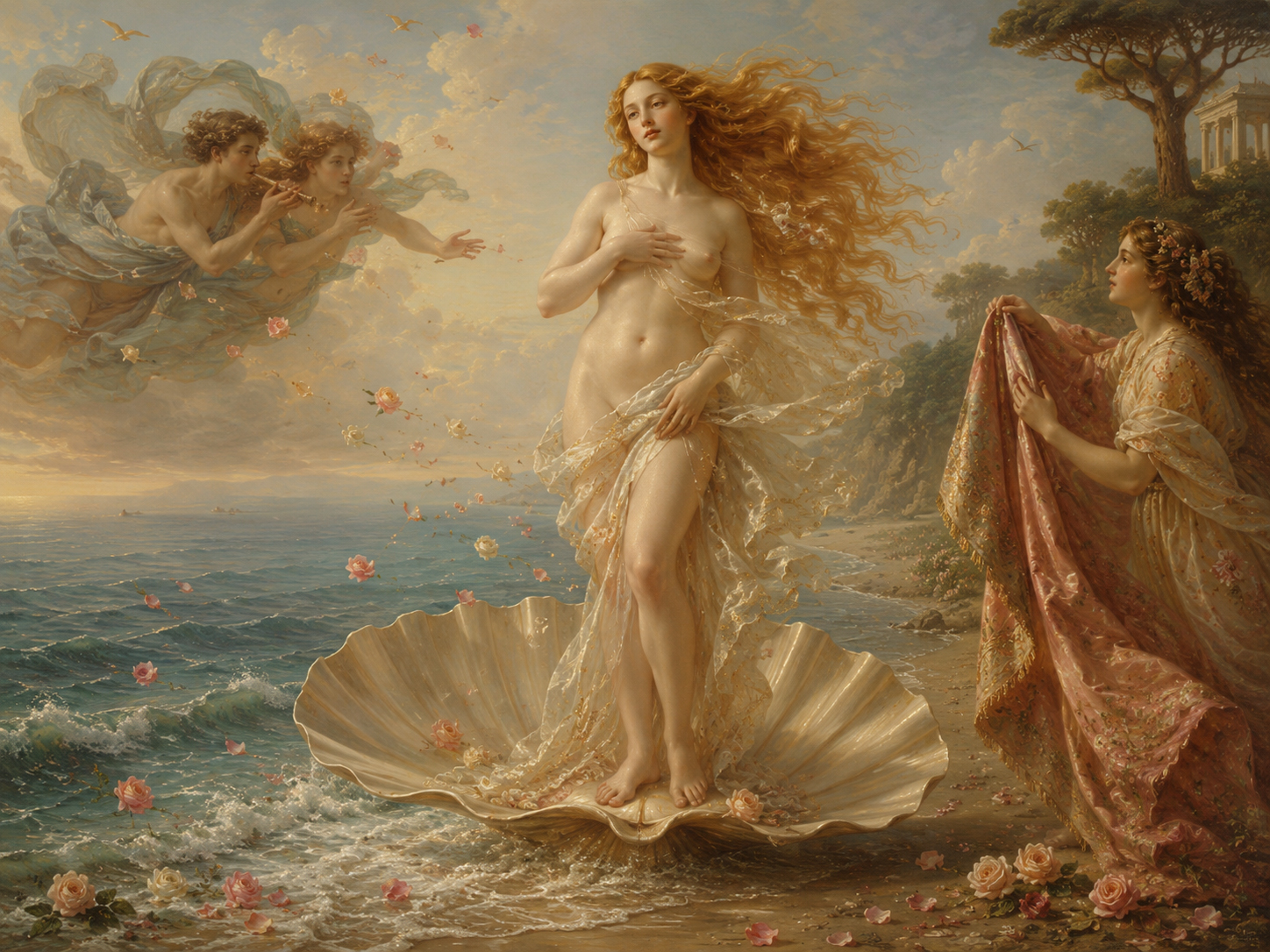
FineArtDaily spotlight
The famous image is only the front door.
When a painting becomes famous, the main figure often steals attention. But the real art-history goblin hides in the edges: wind, cloth, flowers, geometry, patrons, materials, restoration scars, and symbols the original audience could read faster than we can.
Northern detail: mirrors, pearls, windows
Northern European painters made fame out of surfaces: glass, pearls, fur, metal, bread, milk, tile, velvet, polished wood, and reflected light. Their paintings often reward close looking like detective work.
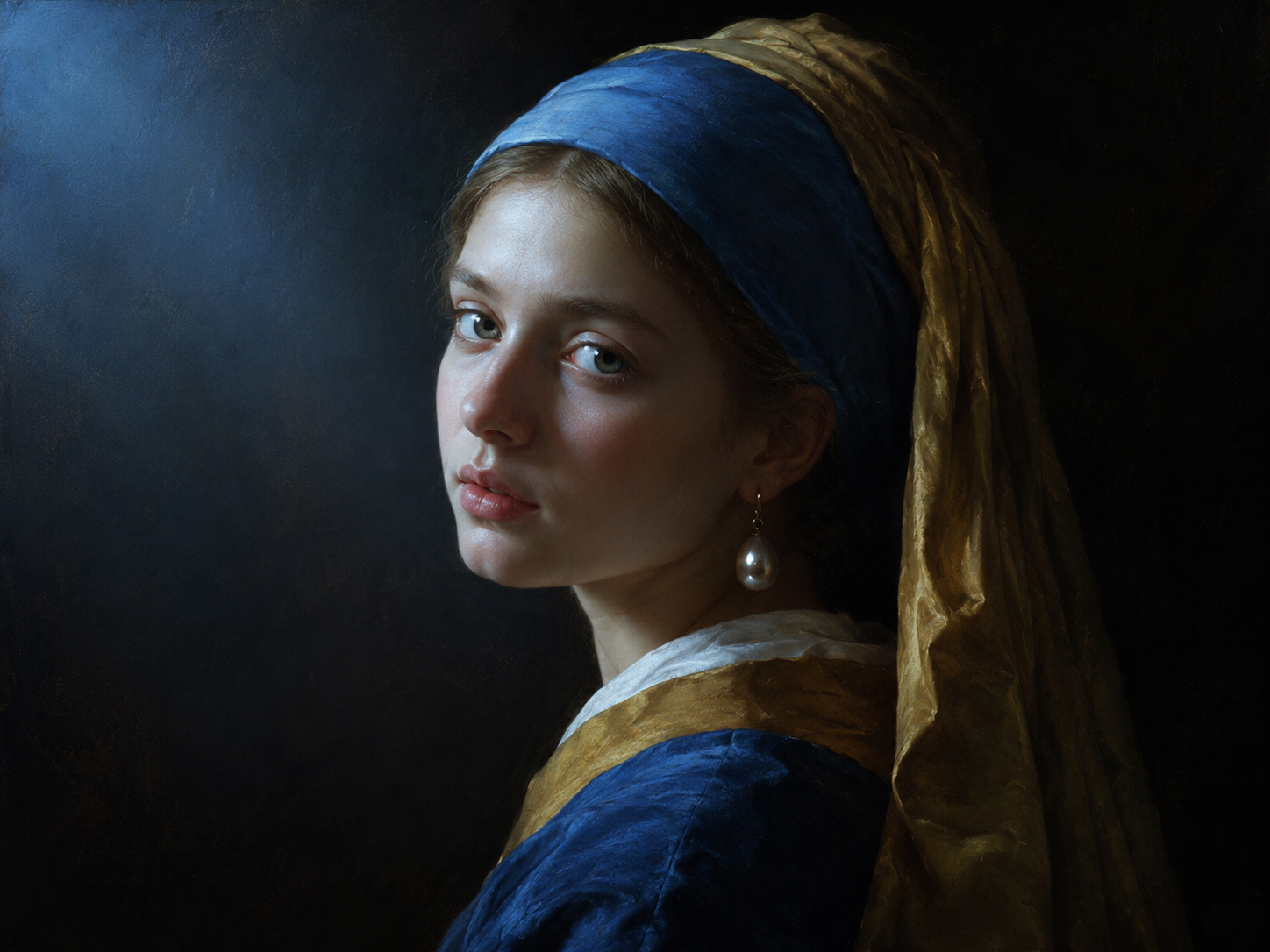
Girl with a Pearl Earring
A face turns, light catches, and one pearl becomes a tiny planet of attention.
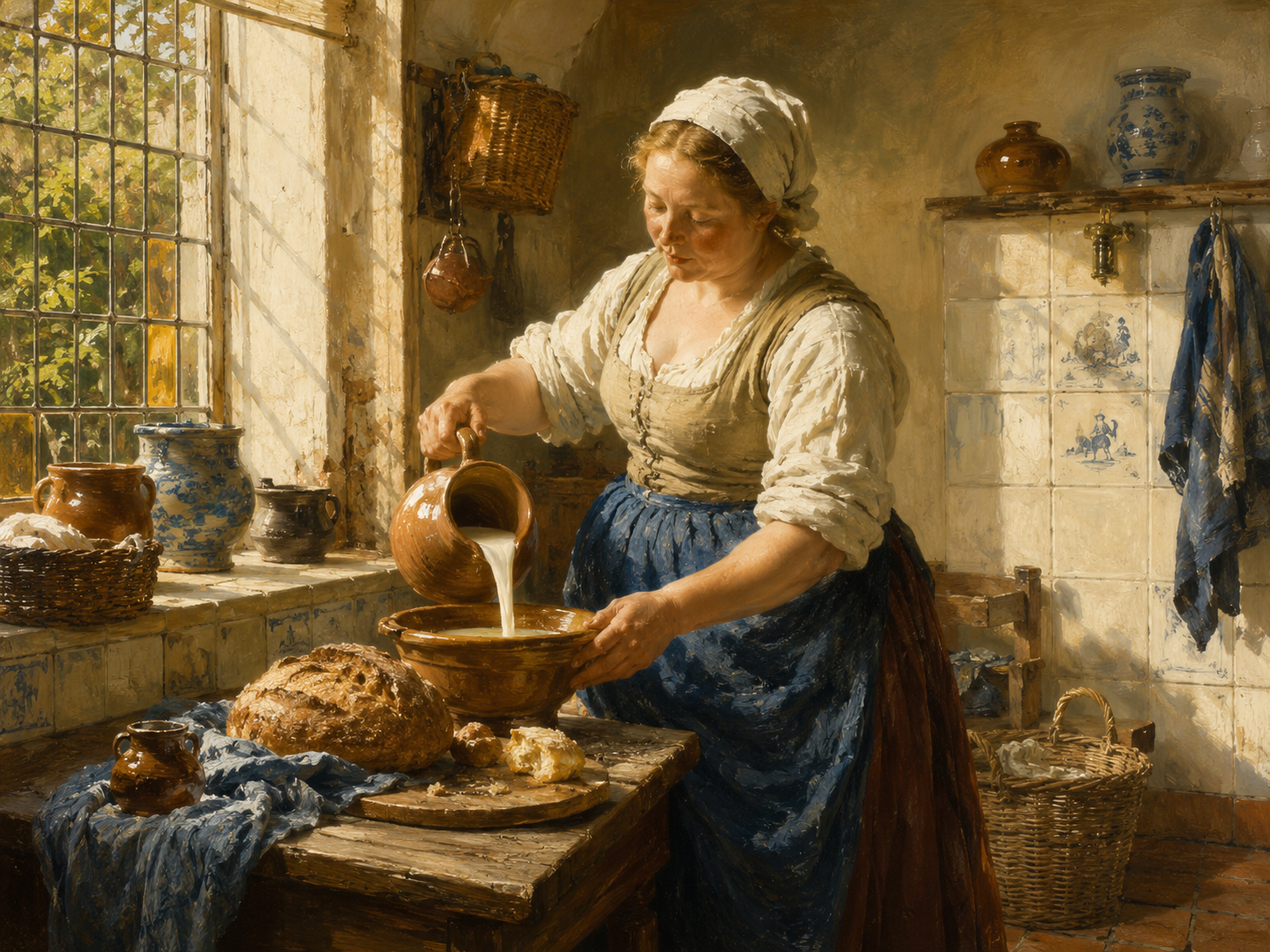
The Milkmaid
Ordinary labor becomes monumental because the light treats bread, milk, and silence with respect.
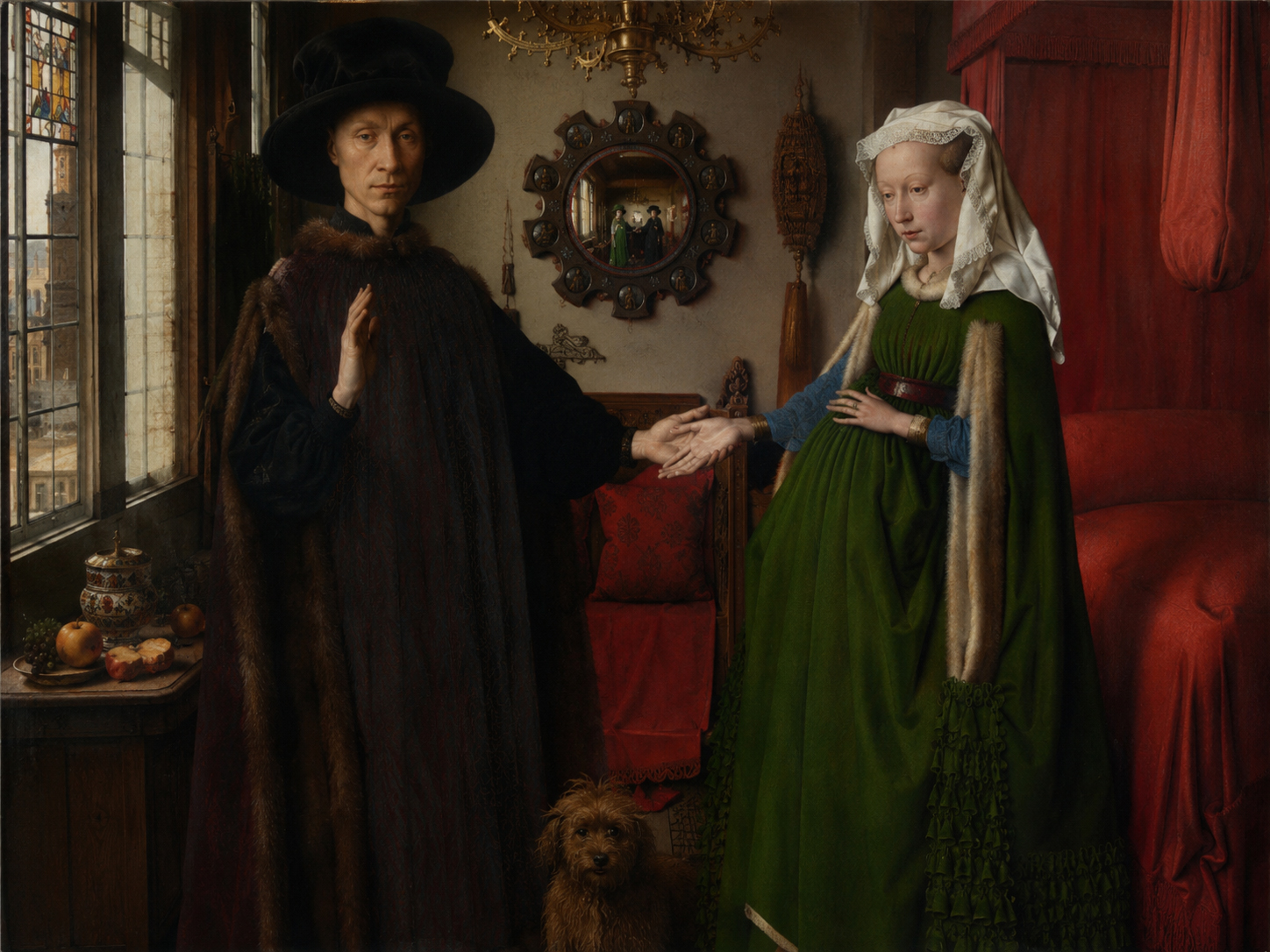
The Arnolfini Portrait
The mirror is not decoration. It is a visual trapdoor into witness, wealth, ritual, and status.
Drama machines: guards, screams, gardens
Some famous paintings behave like stage productions. They direct crowds, weapons, eyes, animals, fantasies, and panic. You do not simply look at them. You enter the room and try not to get run over.
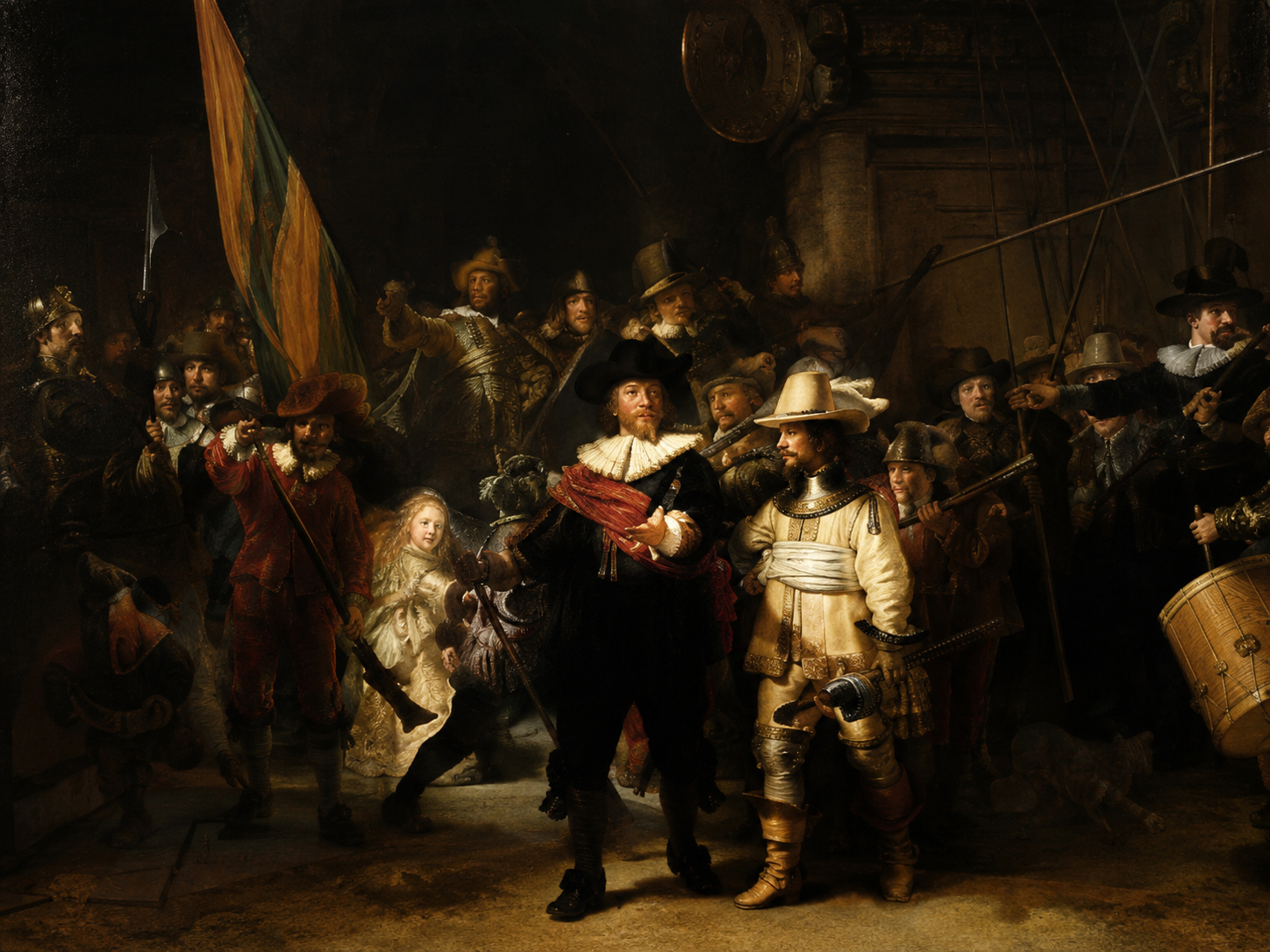
The Night Watch
Rembrandt turns a civic guard portrait into a moving theater of light, rank, noise, and civic swagger.
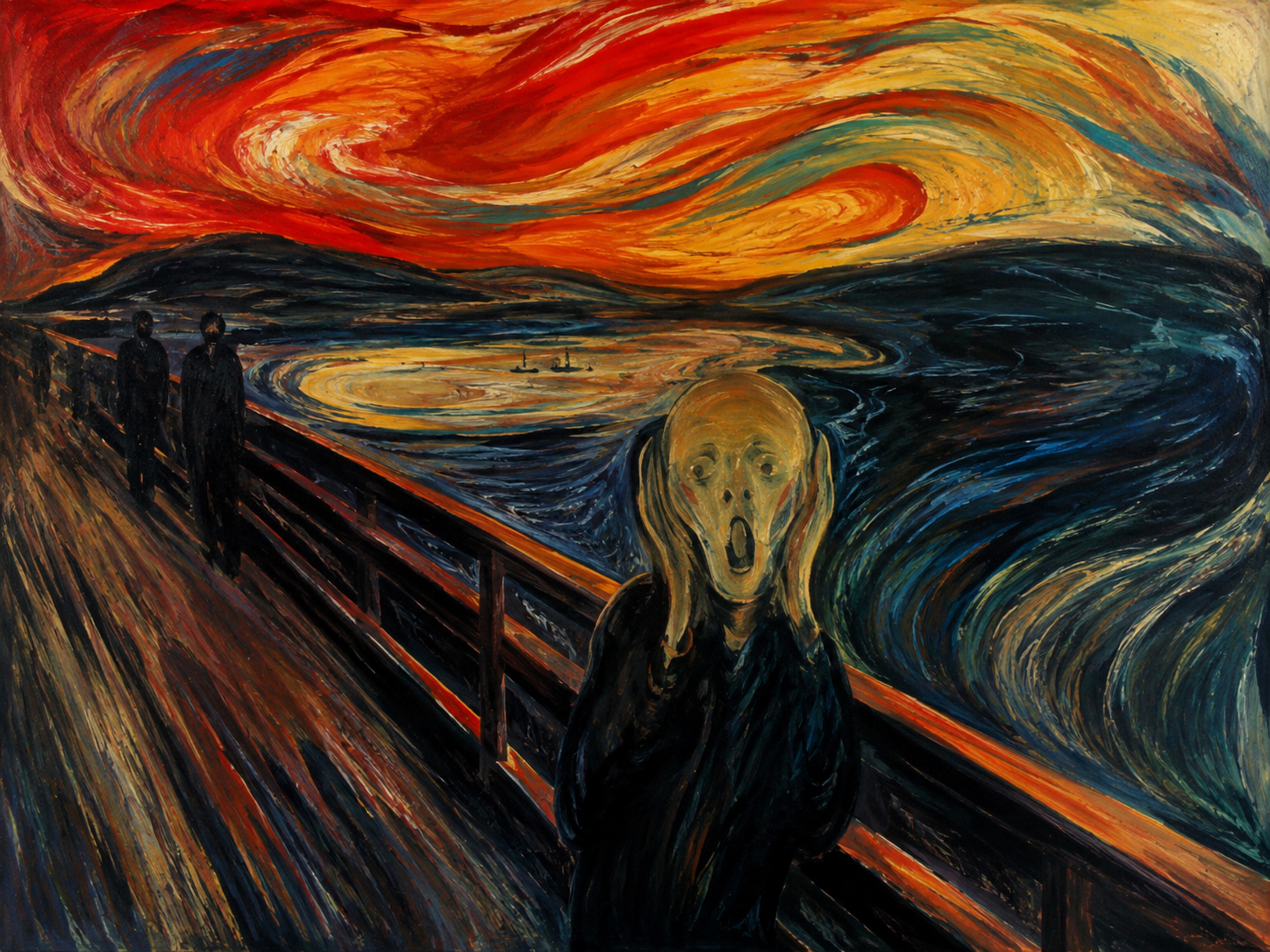
The Scream
The landscape does not sit behind the figure. It vibrates with the same anxiety.
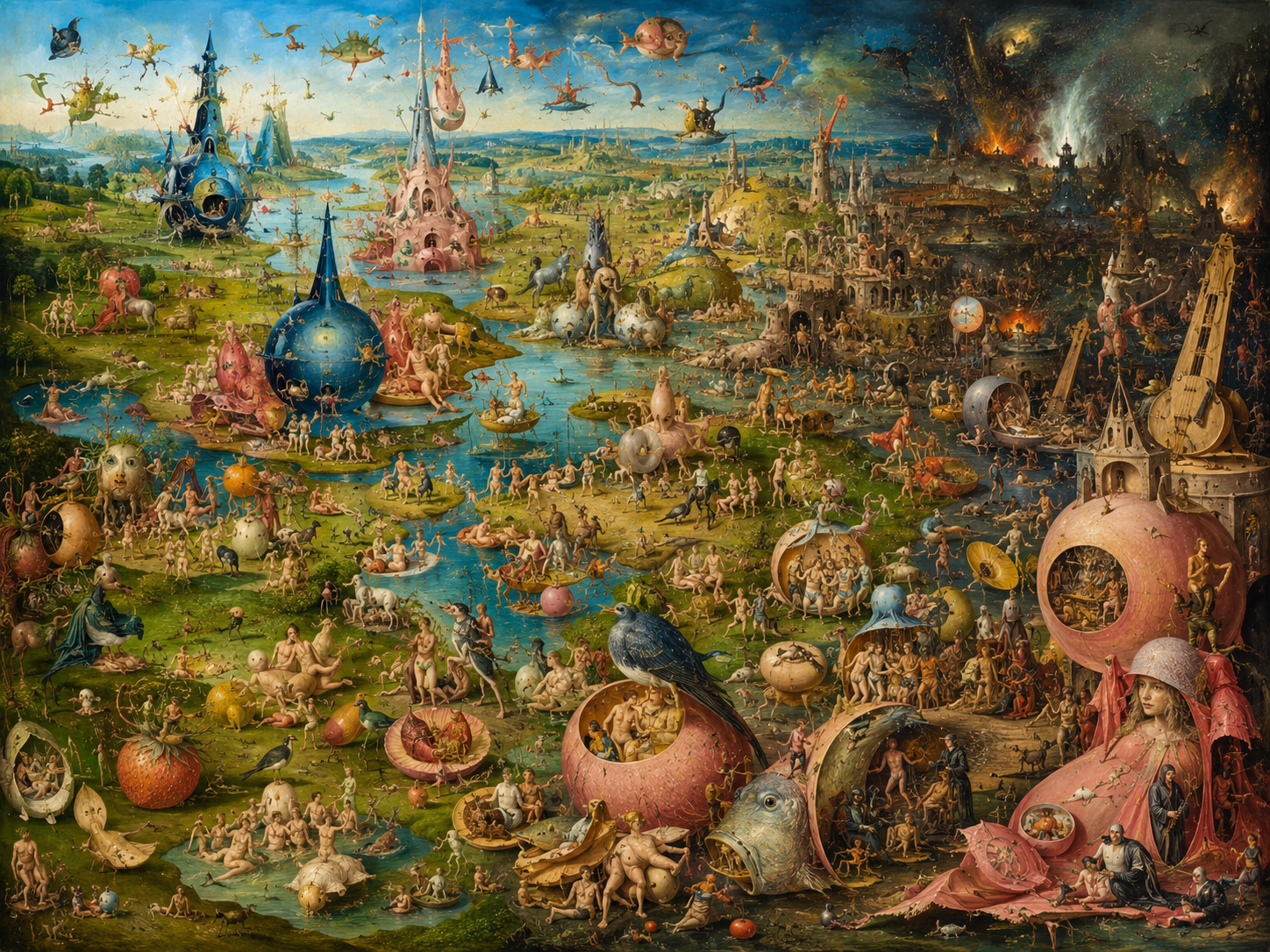
The Garden of Earthly Delights
Bosch makes a moral universe so crowded that every detail feels like a footnote written by a goblin.
Waves, light, dots, lilies, stars
Famous paintings do not always need kings, saints, or narrative drama. Sometimes fame comes from a wave, a mountain, a riverbank, a pond, or a sky that makes color feel alive.
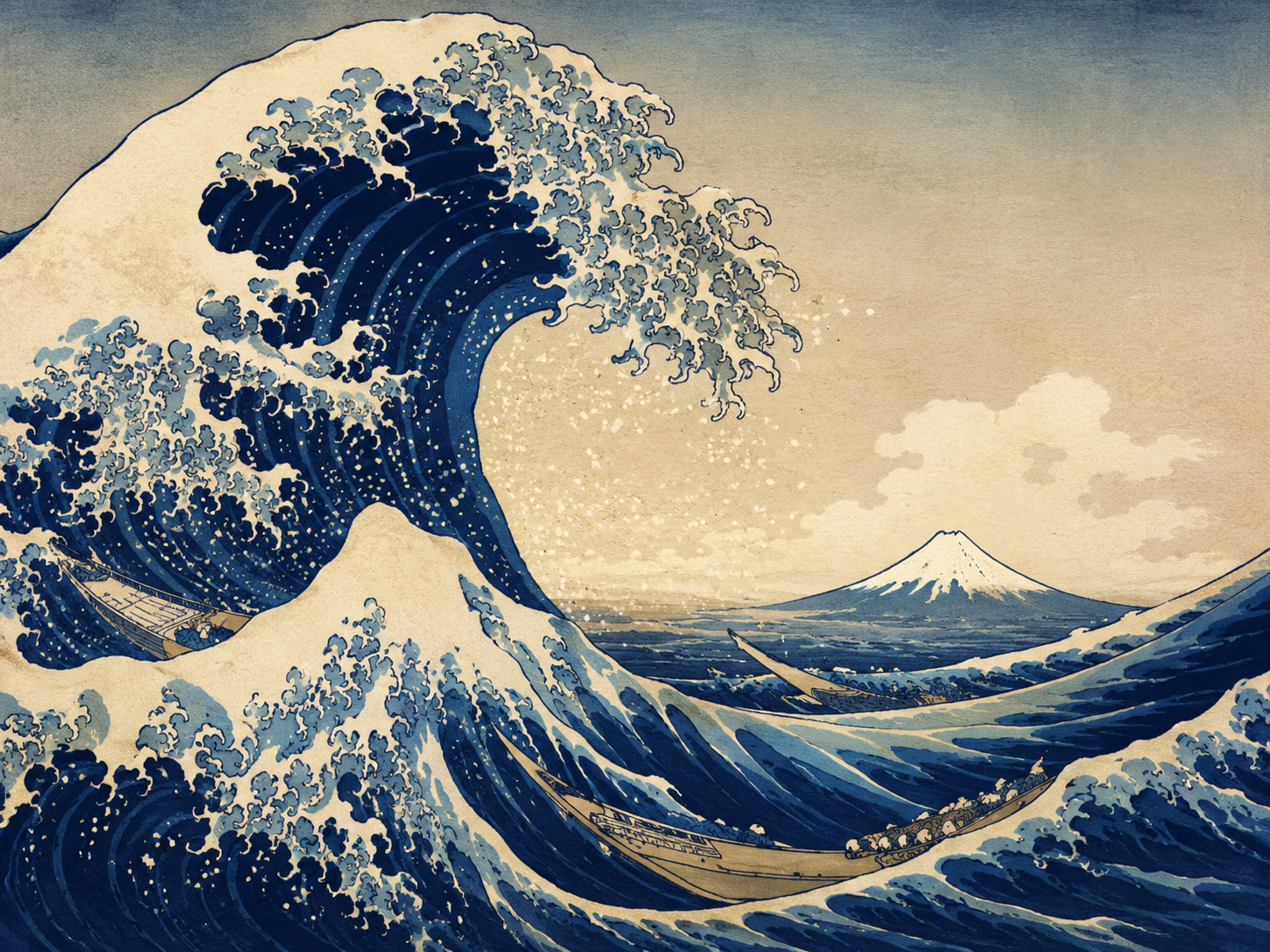
The Great Wave
A woodblock wave becomes a graphic force: nature, design, danger, and elegance in one frozen crash.
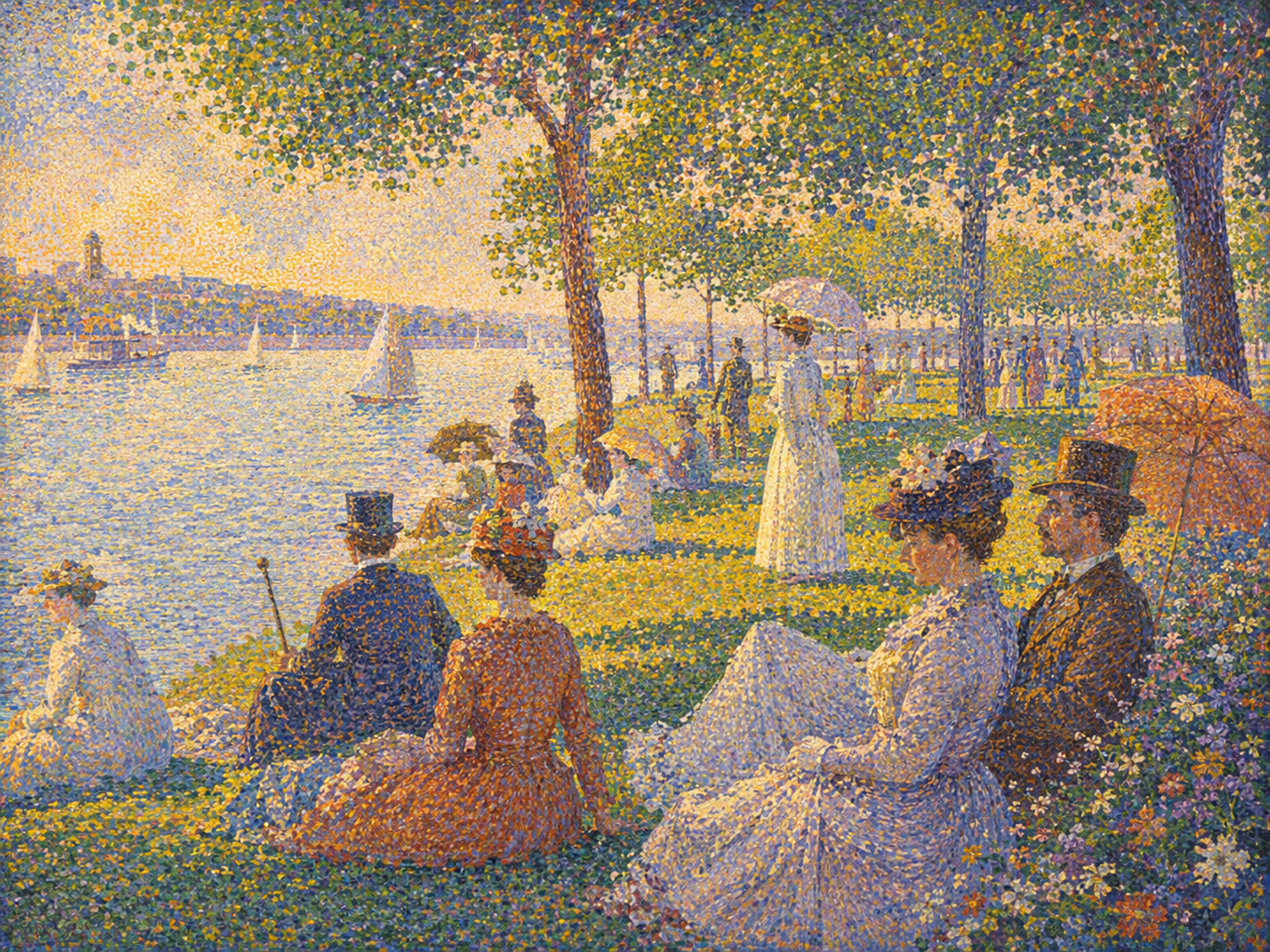
A Sunday Afternoon
Seurat turns leisure into an optical machine made from dots, distance, and social choreography.
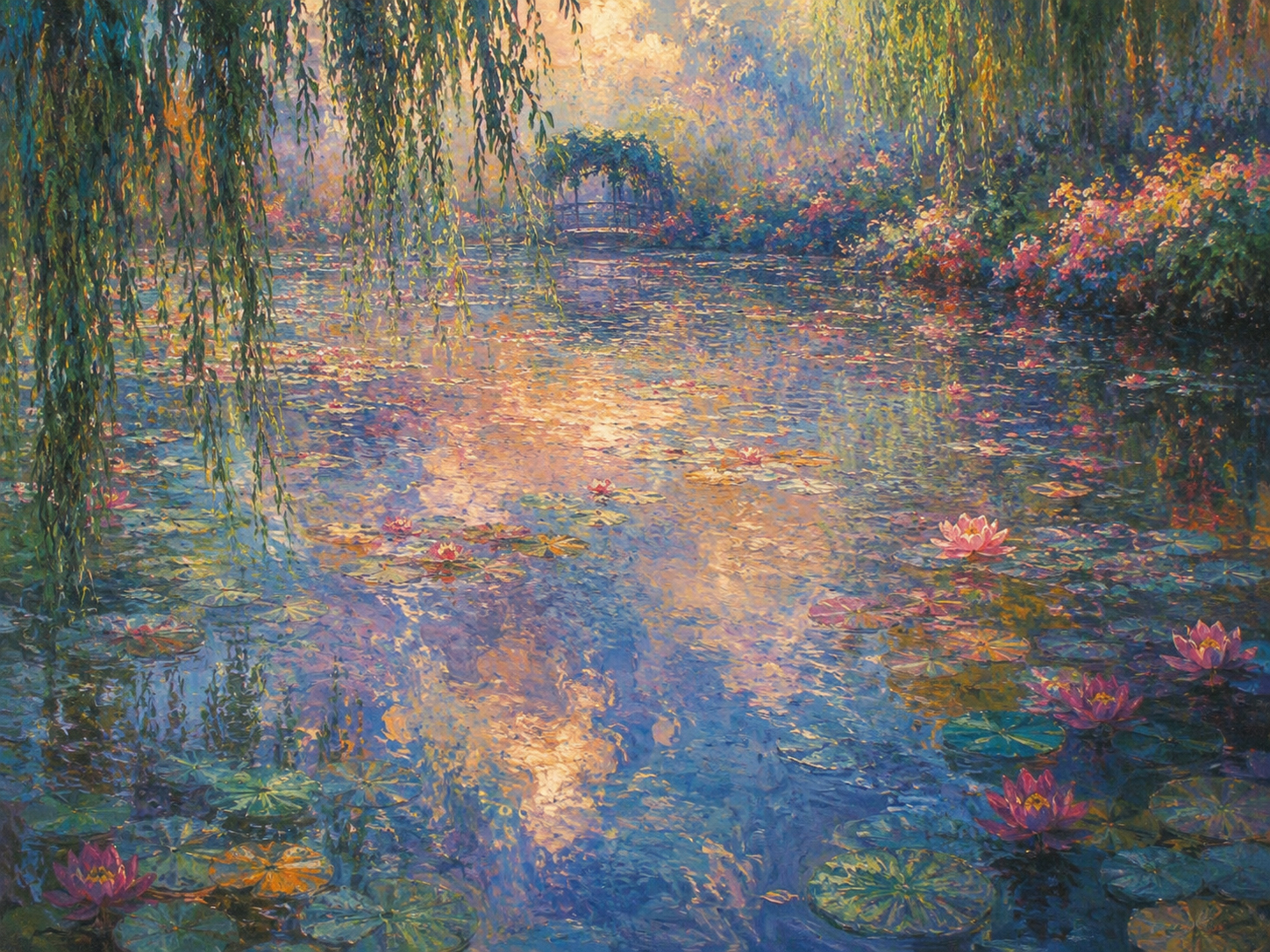
Water Lilies
Monet makes the pond into a world where surface, reflection, sky, and color trade places.
Van Gogh: color becomes weather
Van Gogh’s famous works are not famous because they are calm. They feel alive at the surface. Brushstrokes become pulse, color becomes pressure, rooms lean forward, flowers burn, skies spiral, and ordinary subjects carry emotional voltage.
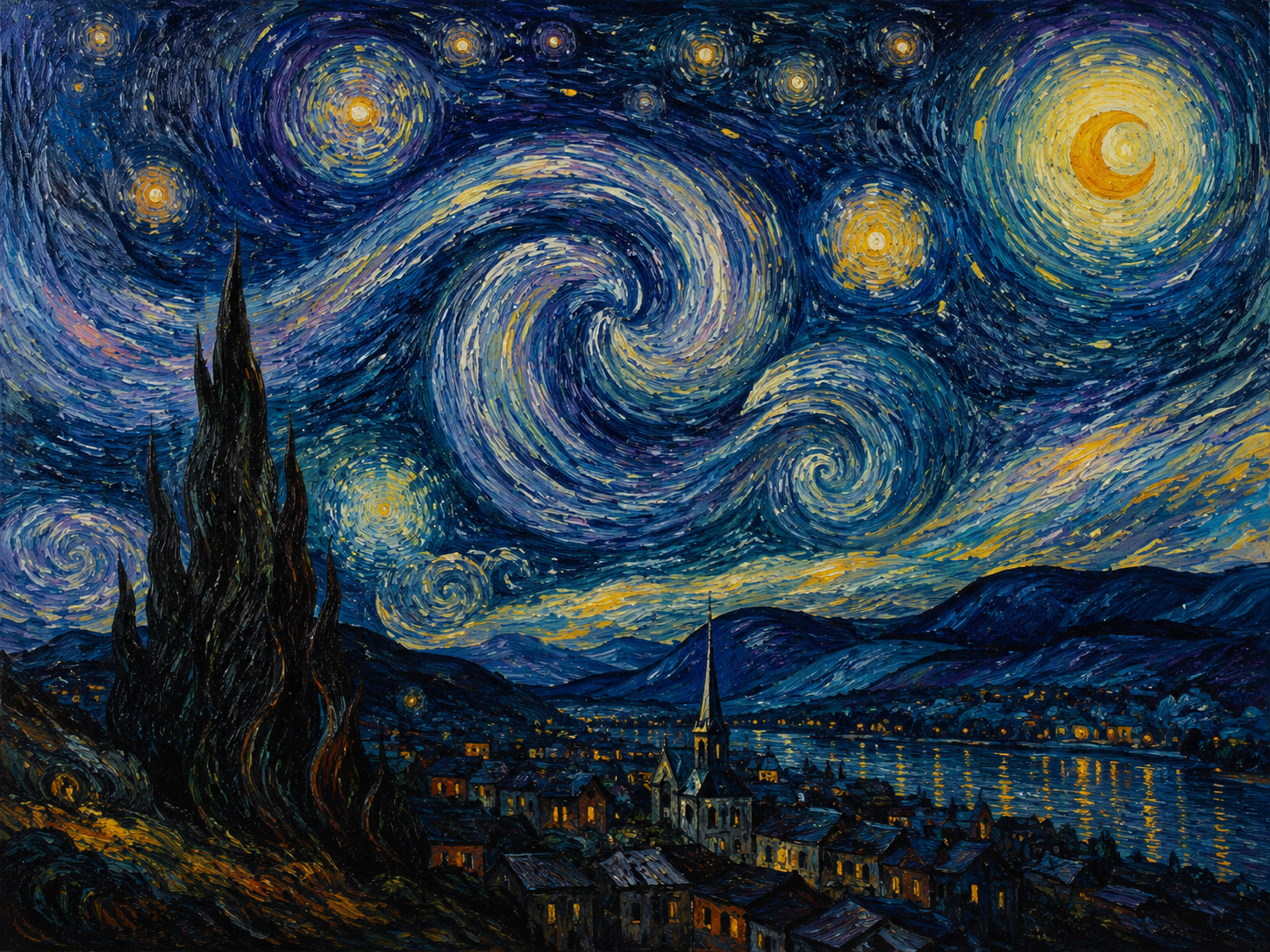
Starry Night
The sky is not background. It is the main character, moving like thought, weather, and music.
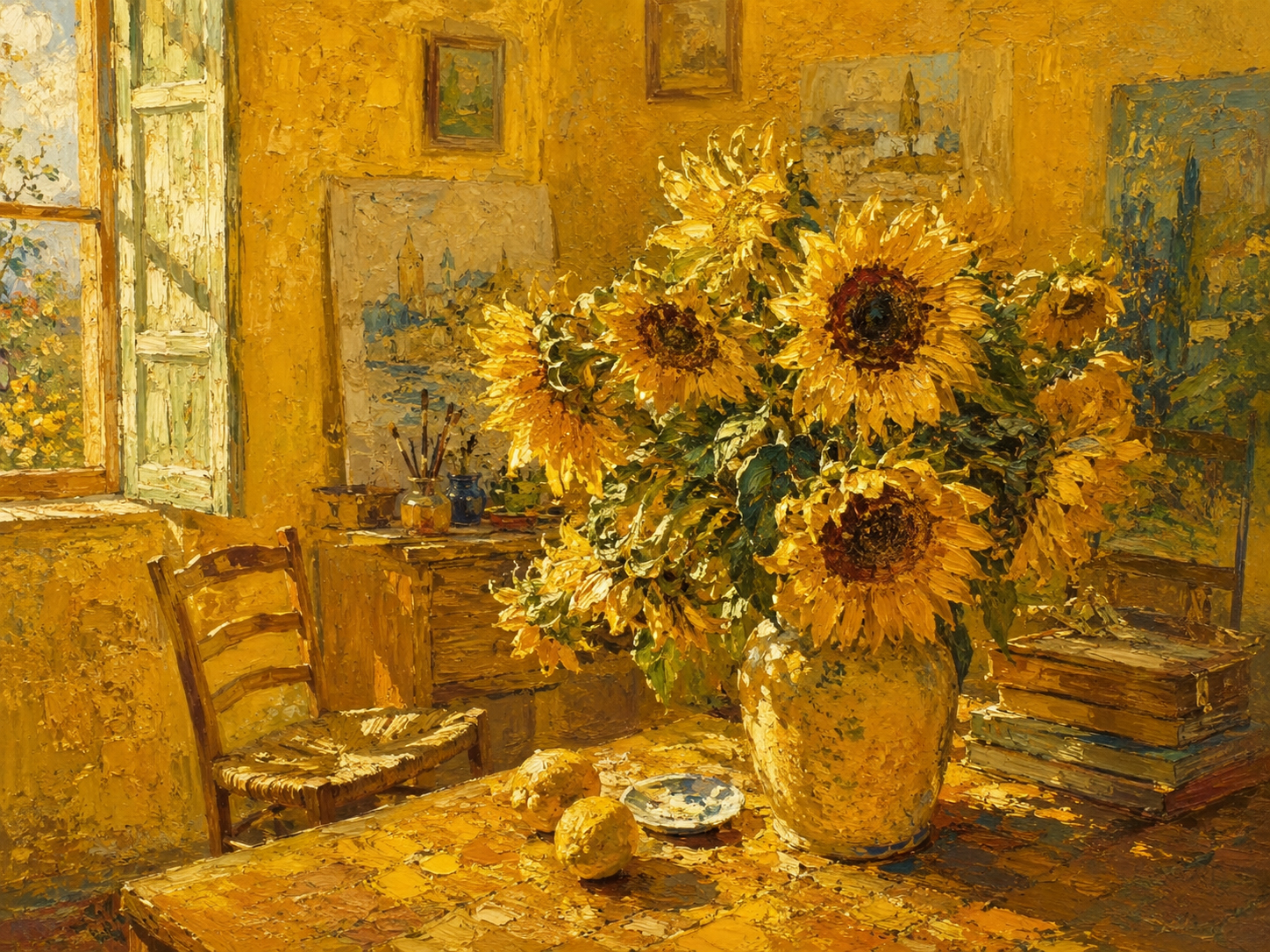
Sunflowers
Yellow becomes architecture, emotion, friendship, decay, heat, and pure visual courage.
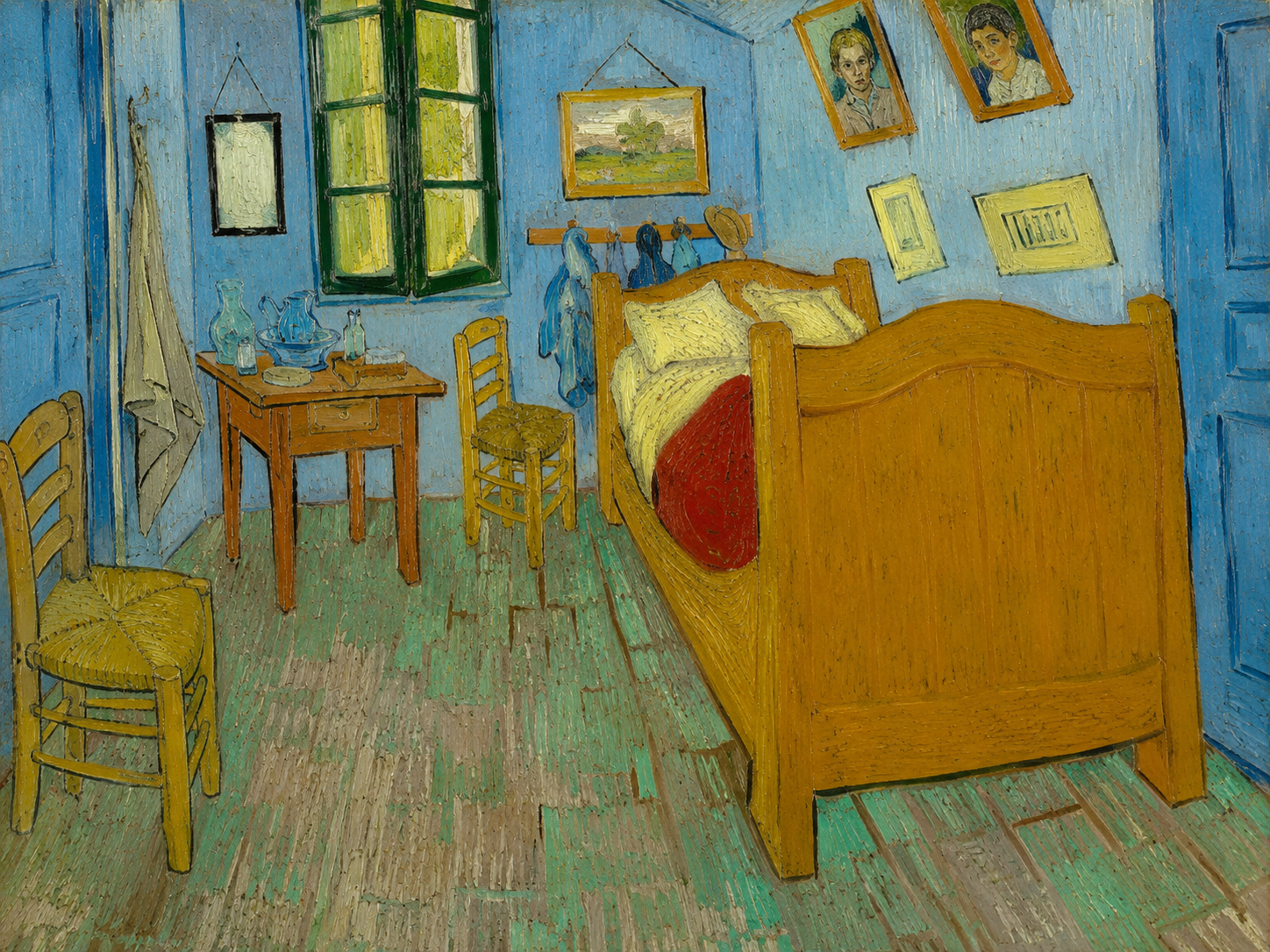
Bedroom in Arles
A simple room becomes a portrait of longing, rest, instability, and the dream of home.
Image-use note: Many artworks discussed here are public domain because of age, but a direct museum photograph may have its own usage terms depending on the institution. FineArtDaily uses original illustrations and public-domain-aware storytelling. Check the specific museum or archive license before publishing direct reproductions.
How to read a famous painting fast
- Start with the biggest shape. Where does your eye land first?
- Find the light source. Light is often the painting’s boss.
- Look at the edges. Famous paintings hide clues in corners, mirrors, animals, windows, and hands.
- Ask who paid for it. Patrons, churches, governments, collectors, and markets shape meaning.
- Notice the afterlife. Why did this image survive, travel, reproduce, and become famous?
Famous paintings make more sense when you know the movements behind them.
Renaissance order, Baroque drama, Impressionist light, Symbolist dreams, Cubist angles, and Abstract beasts all have their own museum logic.