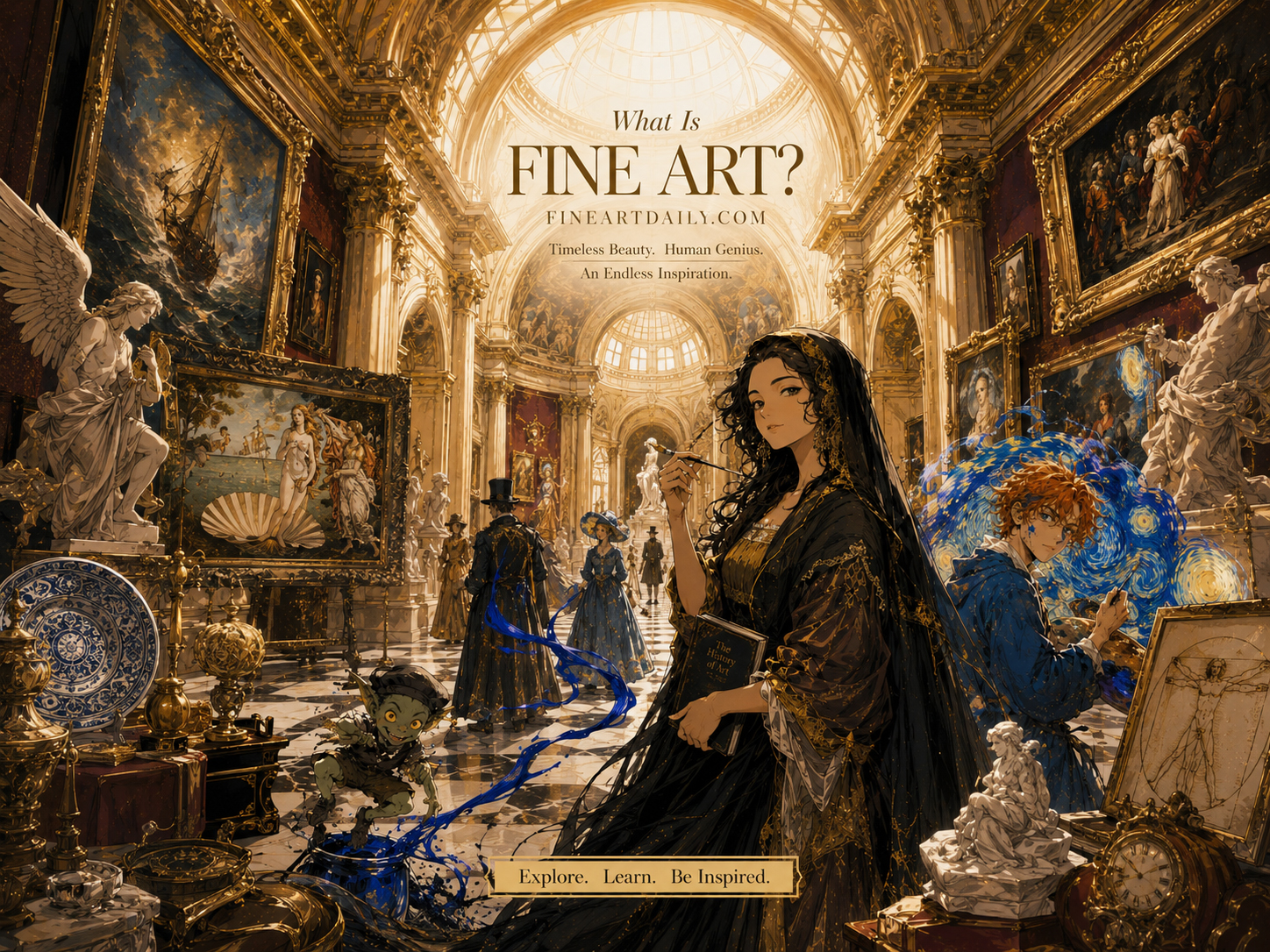
The simple answer
Fine art is art made for meaning, not just use.
Some objects are designed mainly to do a job: a chair, a fork, a traffic sign, a shipping box. Fine art may also have a job, but its deeper purpose is to be looked at, felt, interpreted, questioned, remembered, and argued with.
A painting can decorate a wall, but fine art does more than decorate. It organizes attention. It asks the viewer to notice light, bodies, symbols, surfaces, history, power, silence, fear, devotion, money, labor, or beauty.
Drawing, carving, composing, mixing color, handling materials, controlling light, and building a visual world.
Stories, symbols, politics, faith, identity, desire, grief, memory, status, humor, and mystery.
The artwork slows you down. It rewards looking, then looking again, then realizing you missed the best part.
It is not just “fancy art.”
The phrase “fine art” can sound like a velvet rope. That is the boring version. The better version is this: fine art is a category for art that carries high visual intention. It is not automatically superior to craft, design, illustration, architecture, manga, film, furniture, fashion, or folk art. The borders are messy because culture is messy.
The useful question is not, “Is this fancy enough?” The useful question is, “What kind of looking does this object ask for?”
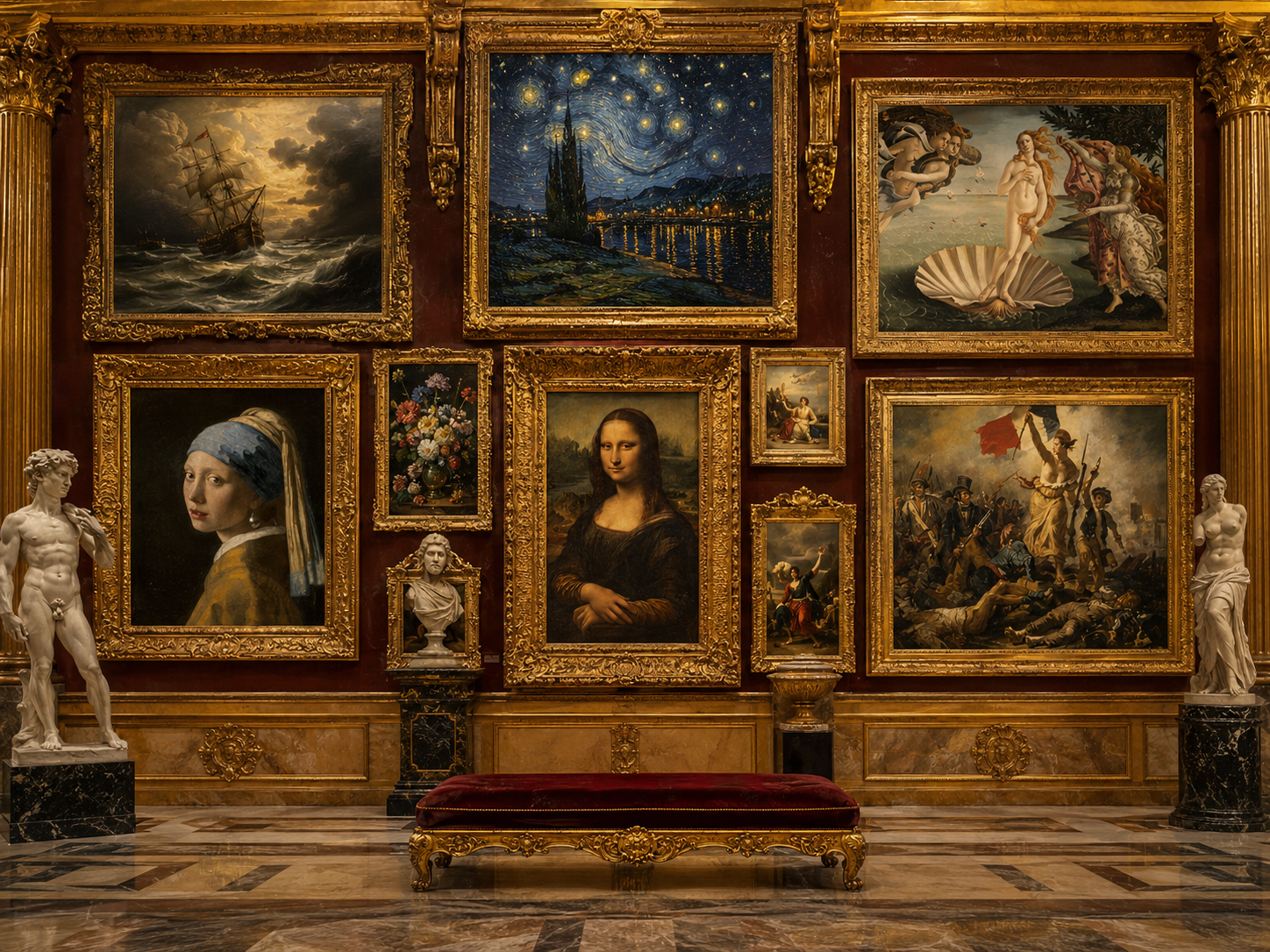
If the artwork keeps changing as you look at it, you are probably in fine-art territory.
A masterpiece does not need to shout. Sometimes it only needs a hand gesture, a shadow, a mirror, a strange smile, or one tiny dog in the corner who knows everything.
The six ingredients of fine art
Fine art usually combines several of these ingredients. It does not need all six, but the great works tend to make multiple ingredients talk to each other.
- Craft: the learned control of material, form, color, line, surface, space, and composition.
- Vision: the artist’s choice about what matters and how the viewer should encounter it.
- Context: the time, place, patron, workshop, religion, market, politics, and audience surrounding the work.
- Symbol: the visible clue that points beyond itself: a skull, lily, mirror, candle, storm, fruit, animal, halo, or broken column.
- Feeling: the mood generated by light, scale, color, pose, rhythm, texture, and silence.
- Afterlife: the way later generations remember, reinterpret, restore, copy, debate, parody, and protect it.
Examples across the museum
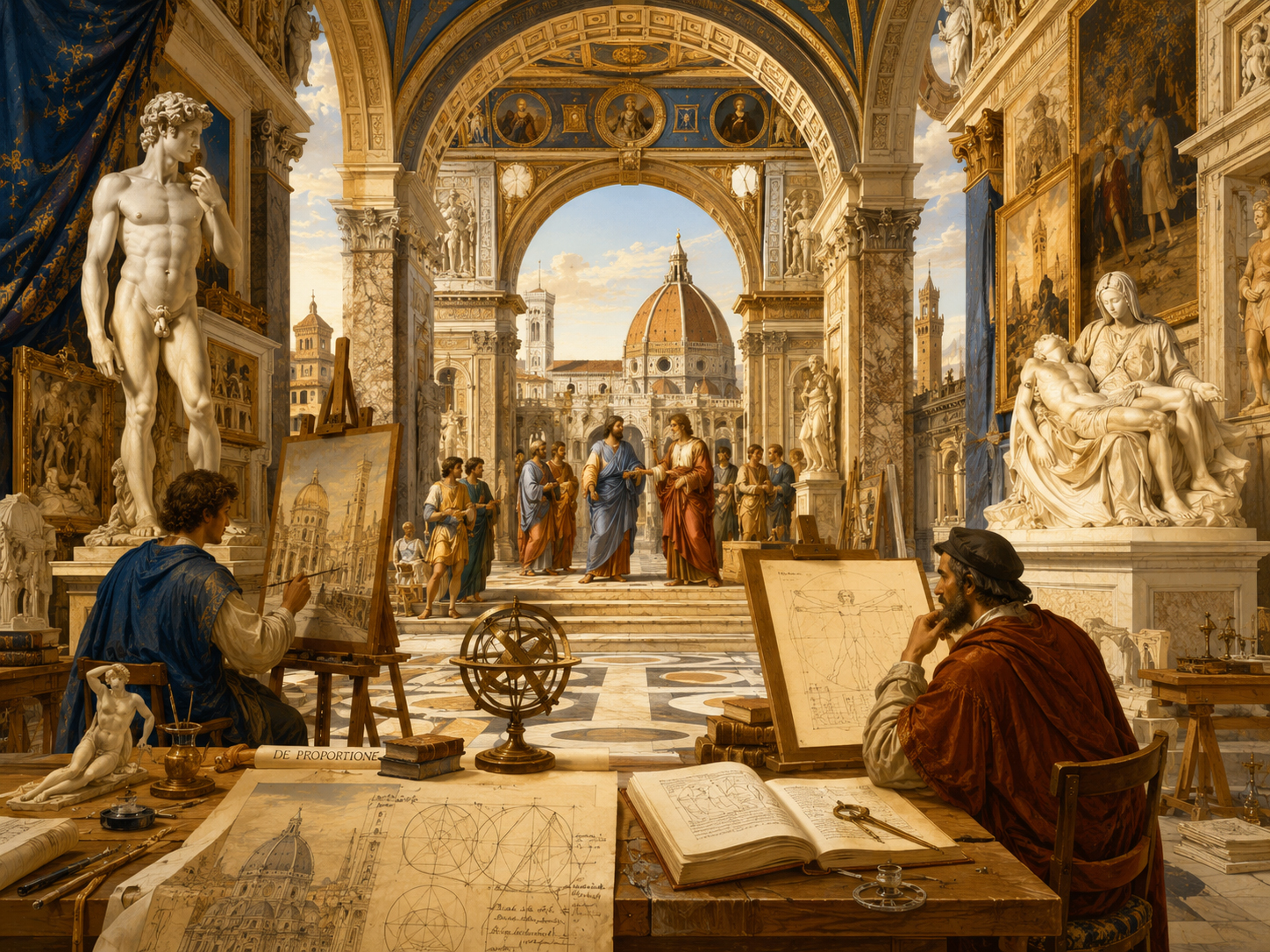
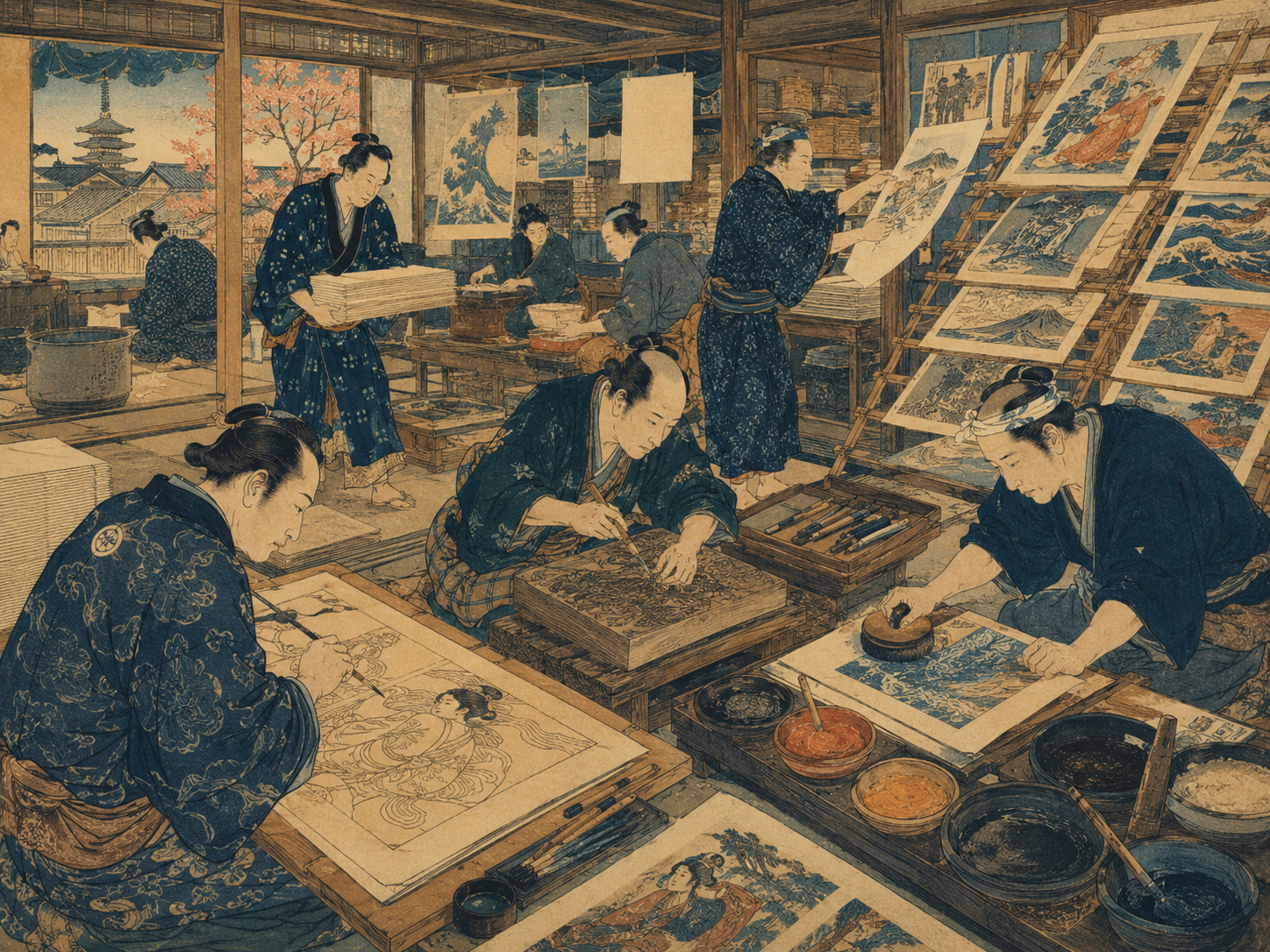
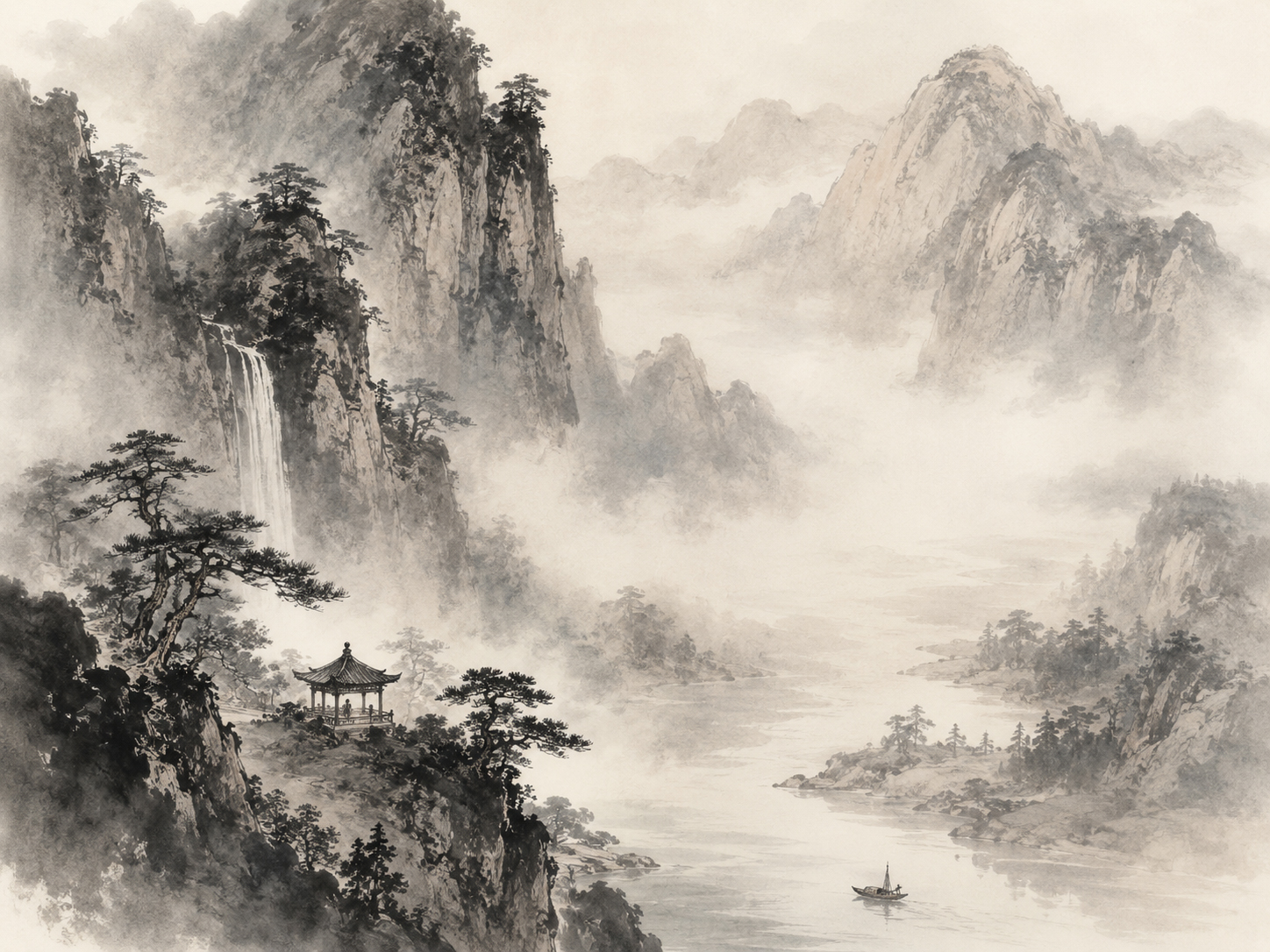
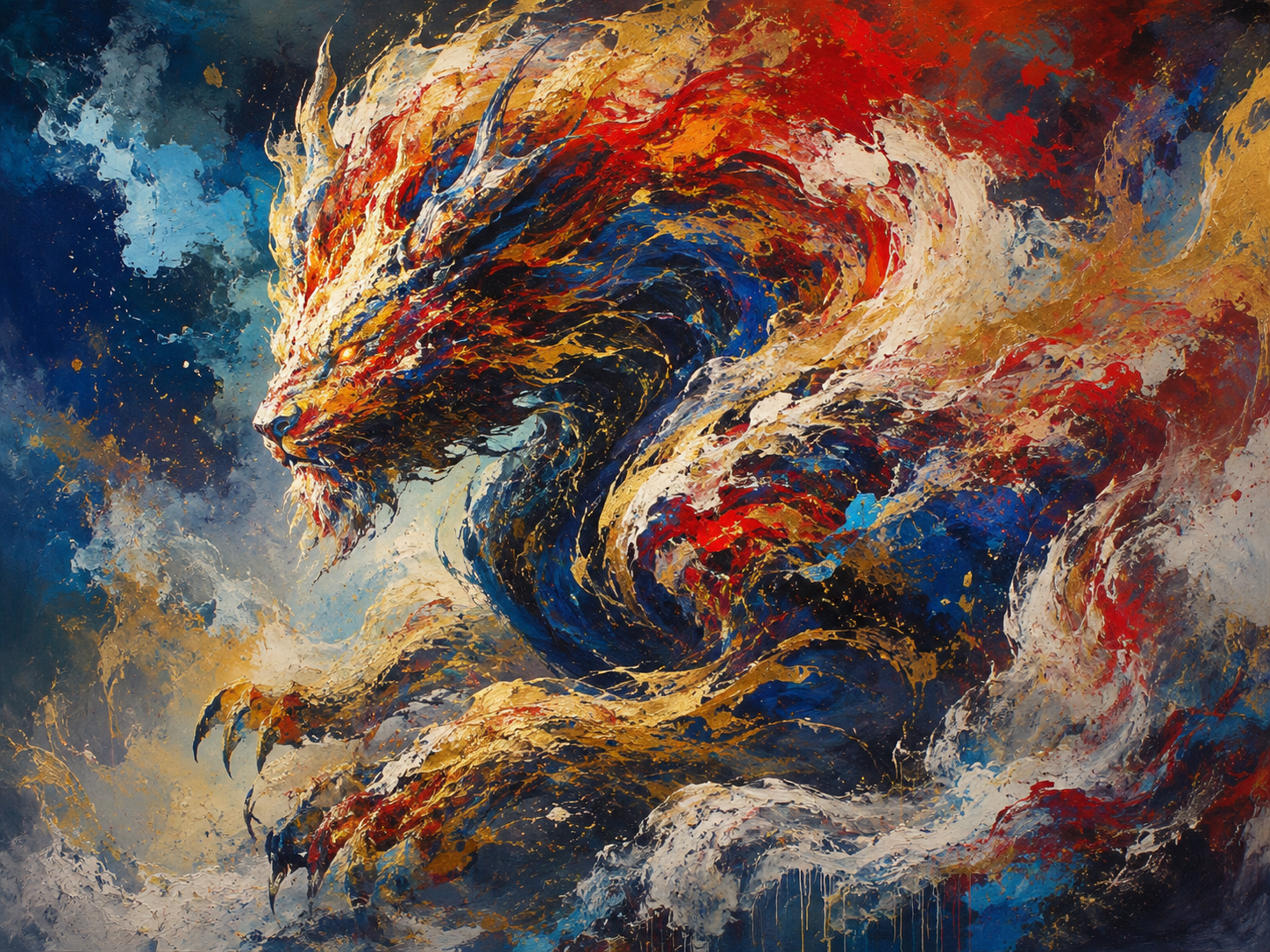
Fine art can be a Renaissance figure study, a Dutch interior, a Japanese woodblock wave, a Byzantine gold room, a Chinese ink mountain, a Persian miniature garden, a Mayan mural, a Roman mosaic, or an abstract creature exploding through a museum wall.
Why do museums matter?
Museums do not magically turn every object into fine art. But museums do change how we encounter objects. A gallery removes the object from ordinary noise and gives it space, light, labels, conservation, comparison, and a public memory.
That can be beautiful. It can also be complicated. Museums are shaped by scholarship, collecting, colonial histories, donors, national identity, markets, and changing ideas about who gets to tell the story. FineArtDaily treats the museum as both a temple and a crime scene: impressive, useful, dramatic, and always worth questioning.
How to look without pretending
You do not need to fake expertise. Start with plain observation. What is bright? What is hidden? Where does your eye go first? Who has power? What looks expensive? What looks strange? What detail feels unnecessary but refuses to leave you alone?
Then ask the museum goblin questions:
- Who made this, and who paid for it?
- What material is doing the heavy lifting?
- What symbol would the original audience have recognized?
- What emotion is the composition trying to produce?
- What has time, cleaning, restoration, or damage changed?
The FineArtDaily definition
Fine art is a serious visual argument made with beauty, skill, feeling, material, memory, and attention.
It can be sacred or sarcastic, polished or rough, ancient or modern, realistic or abstract. It can live in a palace, a temple, a print shop, a cave, a manuscript margin, a studio, a public wall, a museum, or a manga panel. What matters is that it keeps asking the viewer to look more deeply.
Now learn how to look.
The fastest upgrade is not memorizing names. It is learning how light, composition, symbols, surface, and context guide your eye.