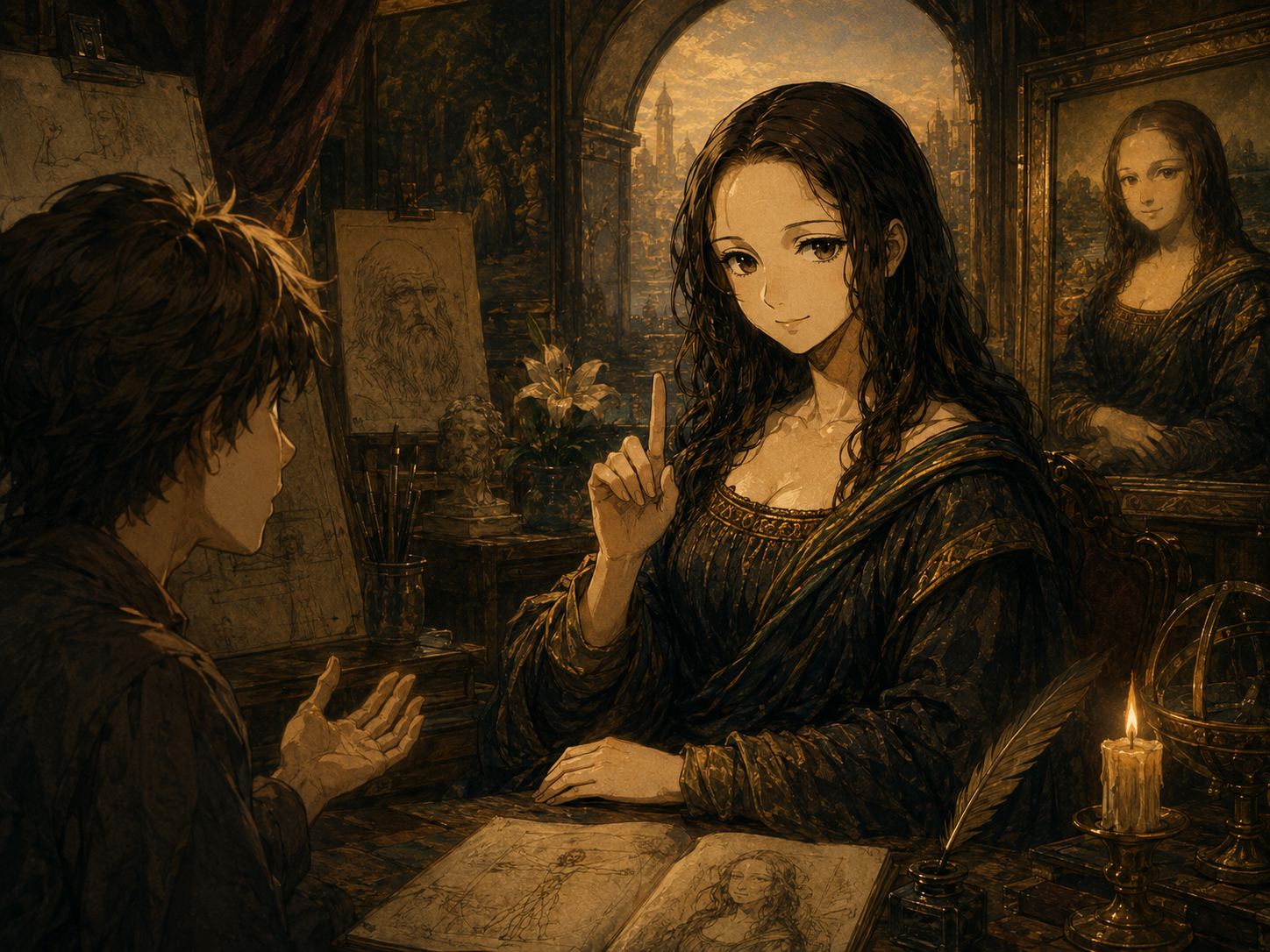
Mystery
Episode 2: Mona Lisa Refuses to Explain
The room wants answers. Mona Lisa Sensei offers silence, observation, and one eyebrow of doom.
FineArtDaily episodes turn art history into a grand gallery adventure: mysterious smiles, stolen blue, stubborn perspective, one-inch frame drama, and a stone guard who wakes up exactly when the museum needs him.
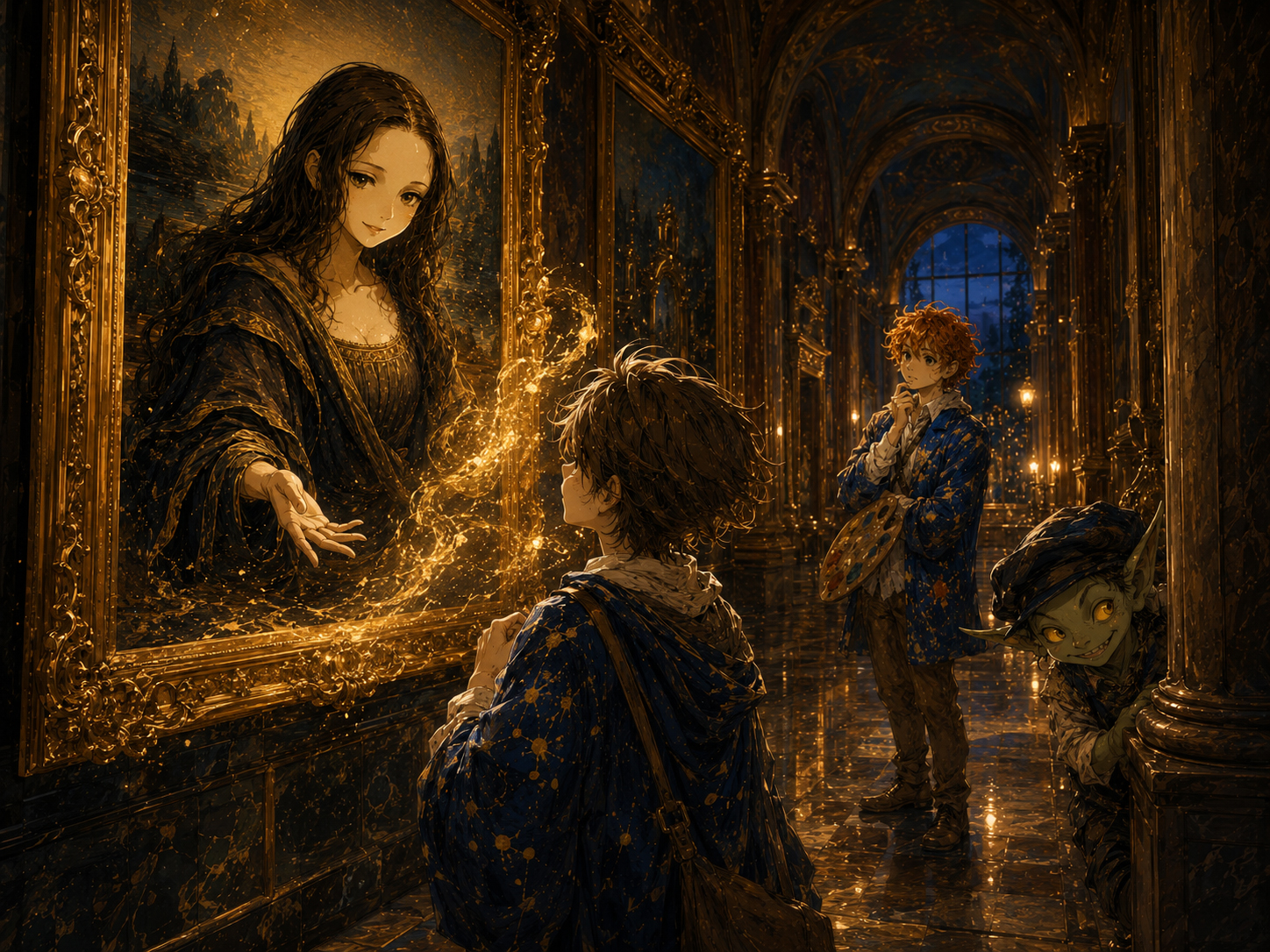
Each episode is a self-contained museum fable: one real art idea, one ridiculous gallery problem, and one character who turns confusion into looking.
The room wants answers. Mona Lisa Sensei offers silence, observation, and one eyebrow of doom.
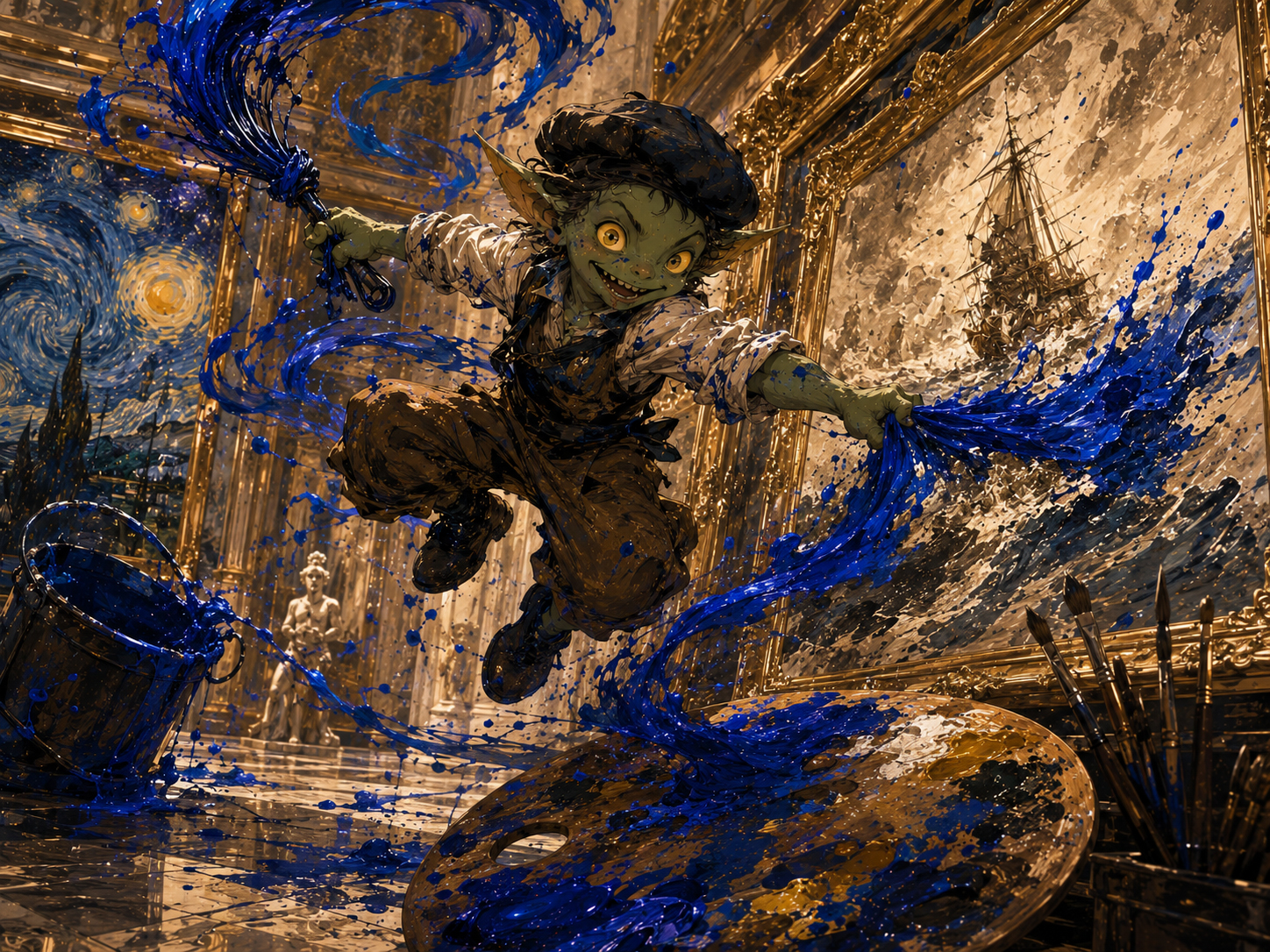
Ultramarine vanishes. The gallery panics. Color theory suddenly becomes a detective story.
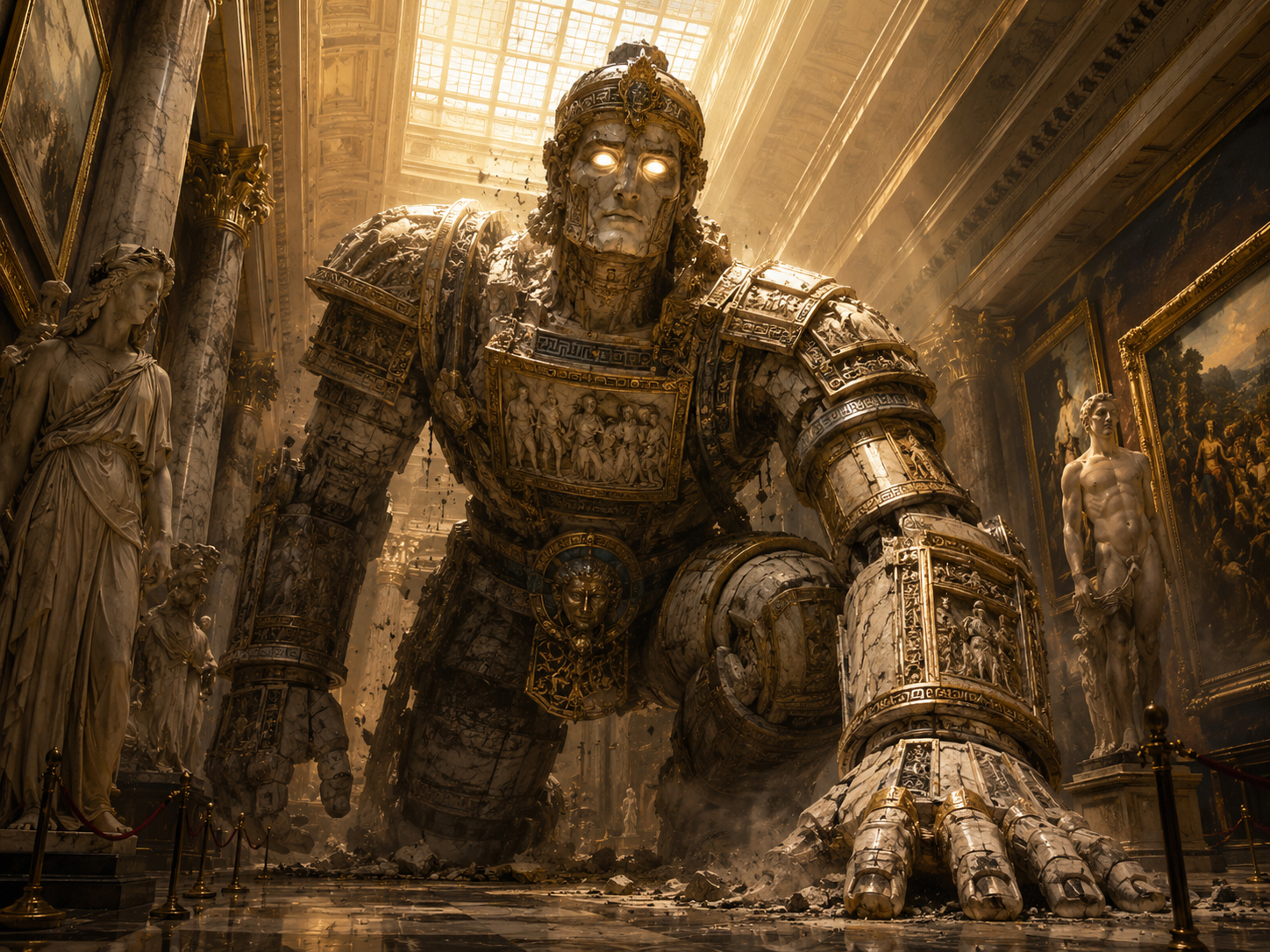
The velvet ropes tremble. The guard is stone, ancient, and absolutely done with fingerprints.
Use these as episode pages, homepage modules, or social story cards. Each one has a strong image and a clean art-history lesson hiding inside the mischief.
A quiet gallery becomes a classroom when the artwork decides the visitors need help.
The lesson: some paintings get stronger when they do not answer every question.
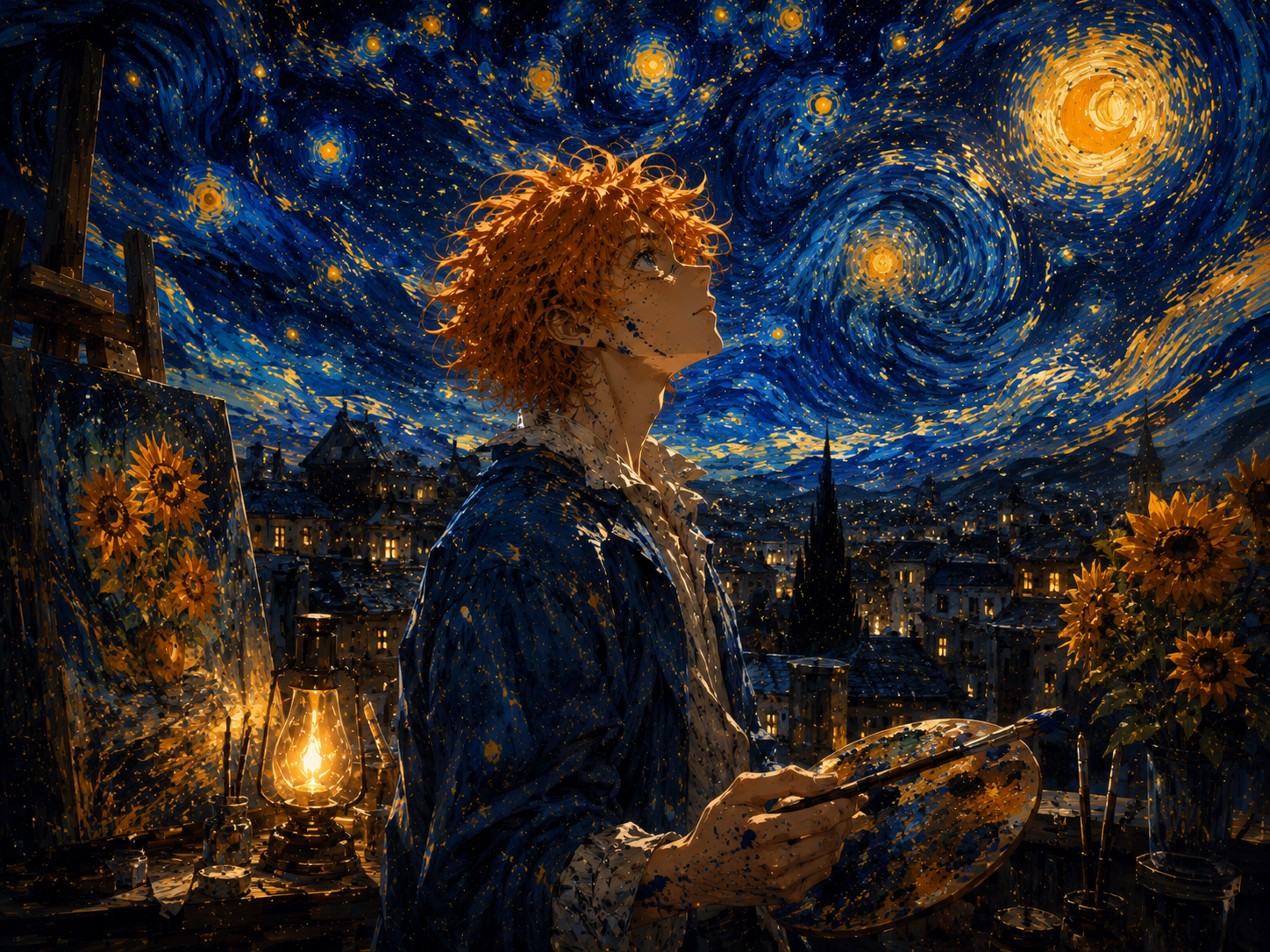
Emotion bends the sky, and the night becomes a spiral lesson in seeing intensely.
When blue disappears, everyone learns why color is never just decoration.
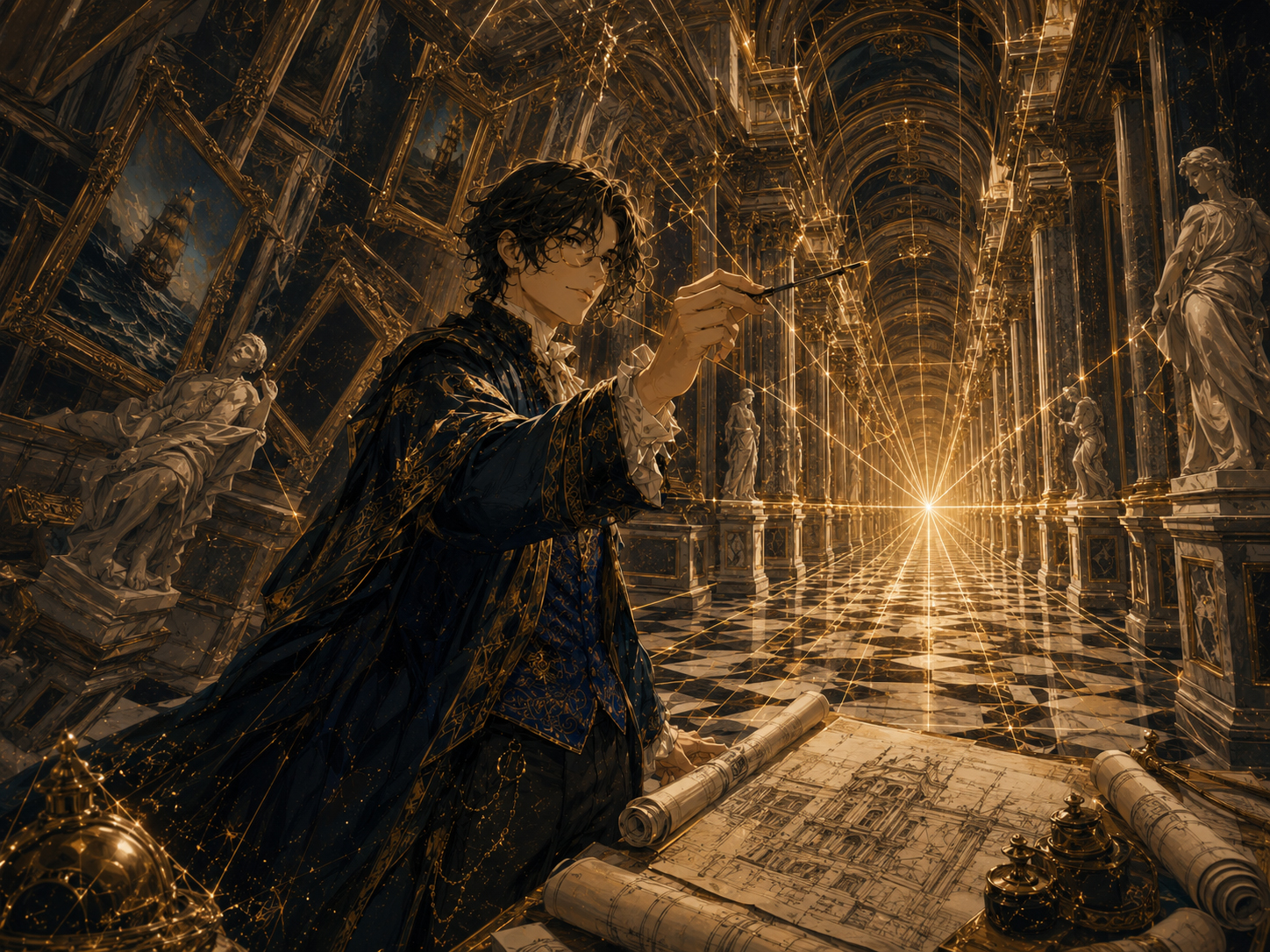
The floor tilts, tables rebel, and geometry has to save the Renaissance.
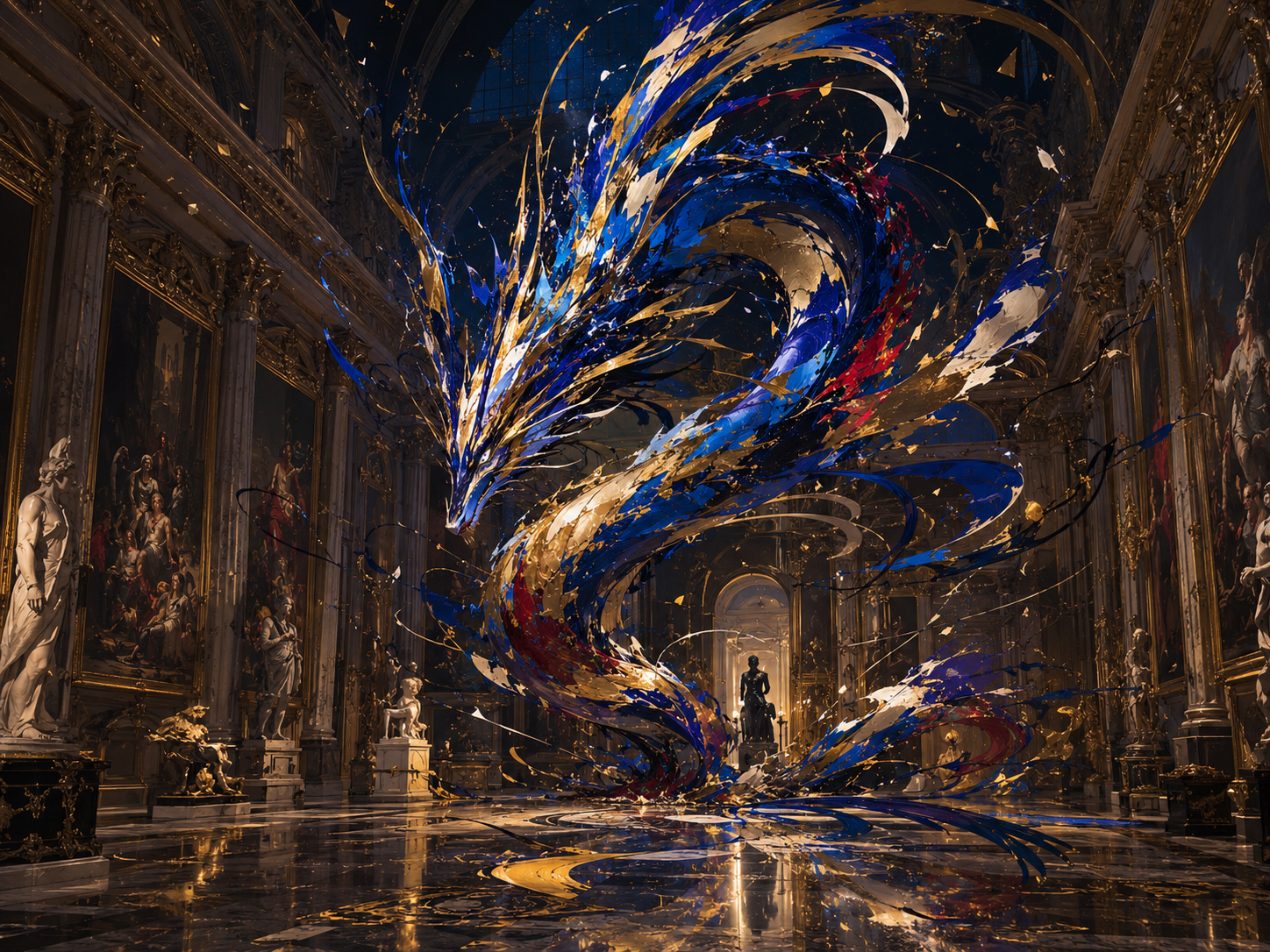
Realism steps aside as color, shape, rhythm, and feeling breathe fire.
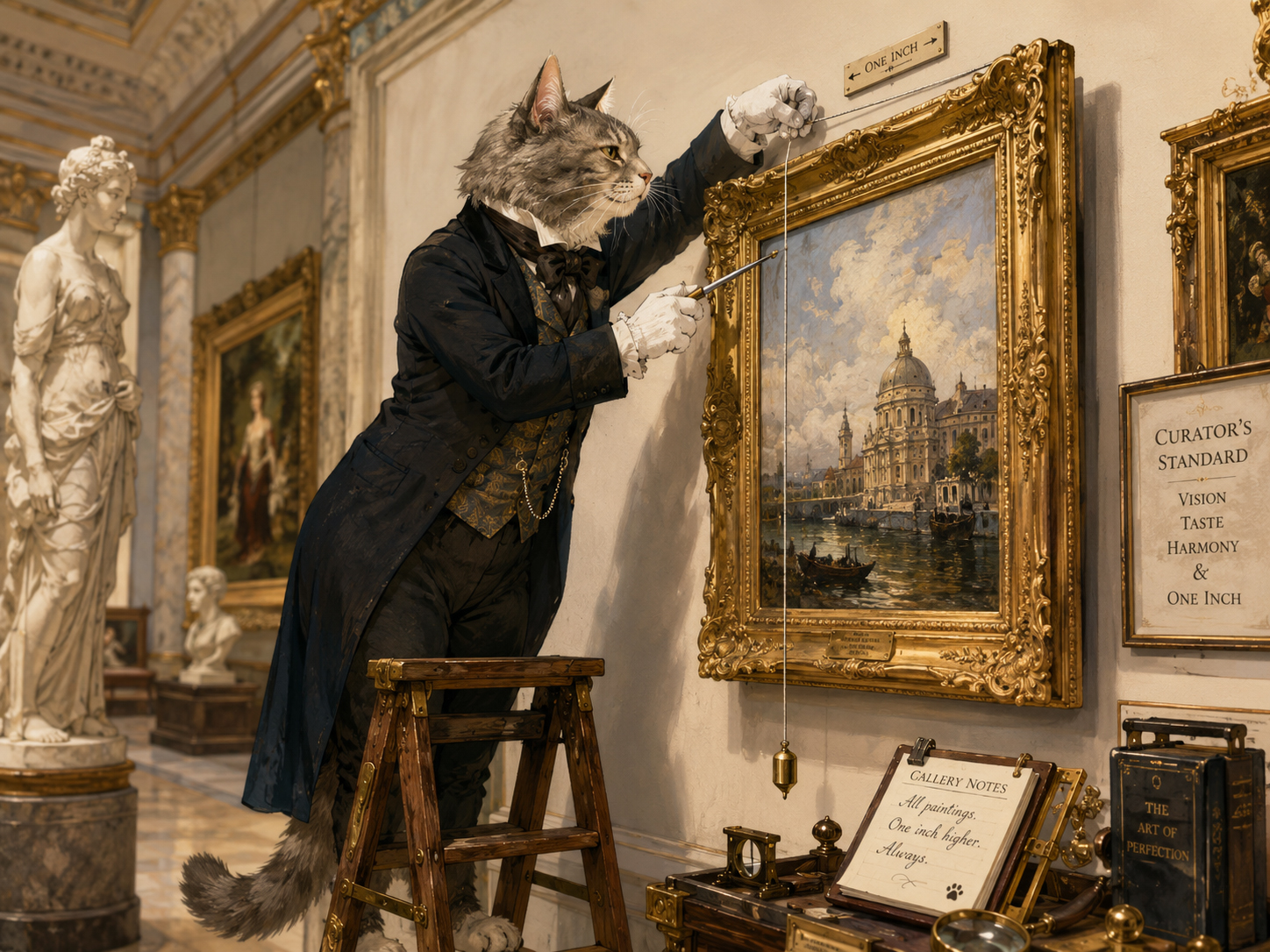
Installation becomes drama when one inch changes the entire room’s dignity.
The finale: etiquette, preservation, and one ancient stone eyebrow.
These character pages give the site continuity. They turn art-history concepts into recognizable guides, rivals, guardians, and small elegant disasters.
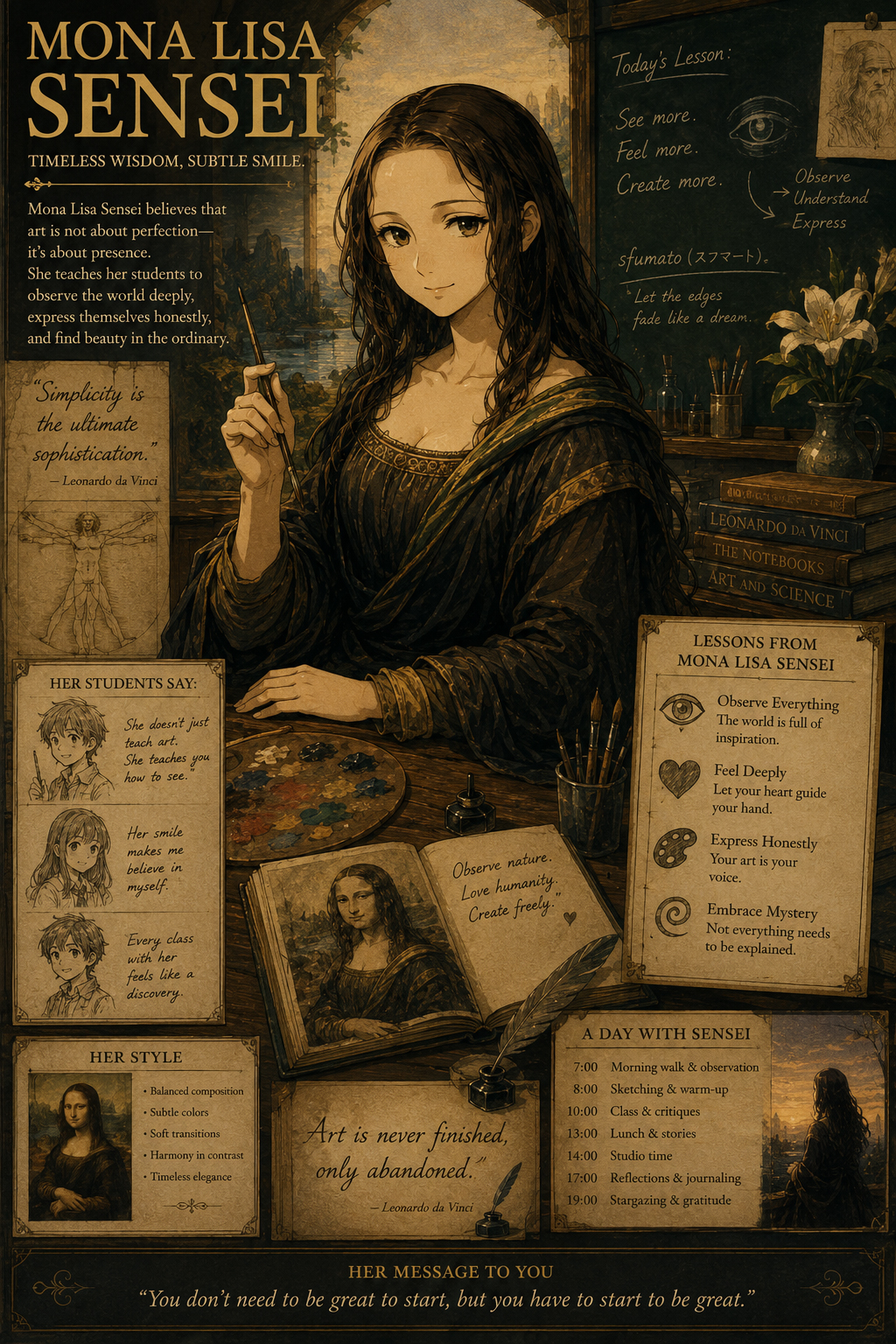
Calm, unreadable, and usually correct. She teaches looking by refusing to over-explain.
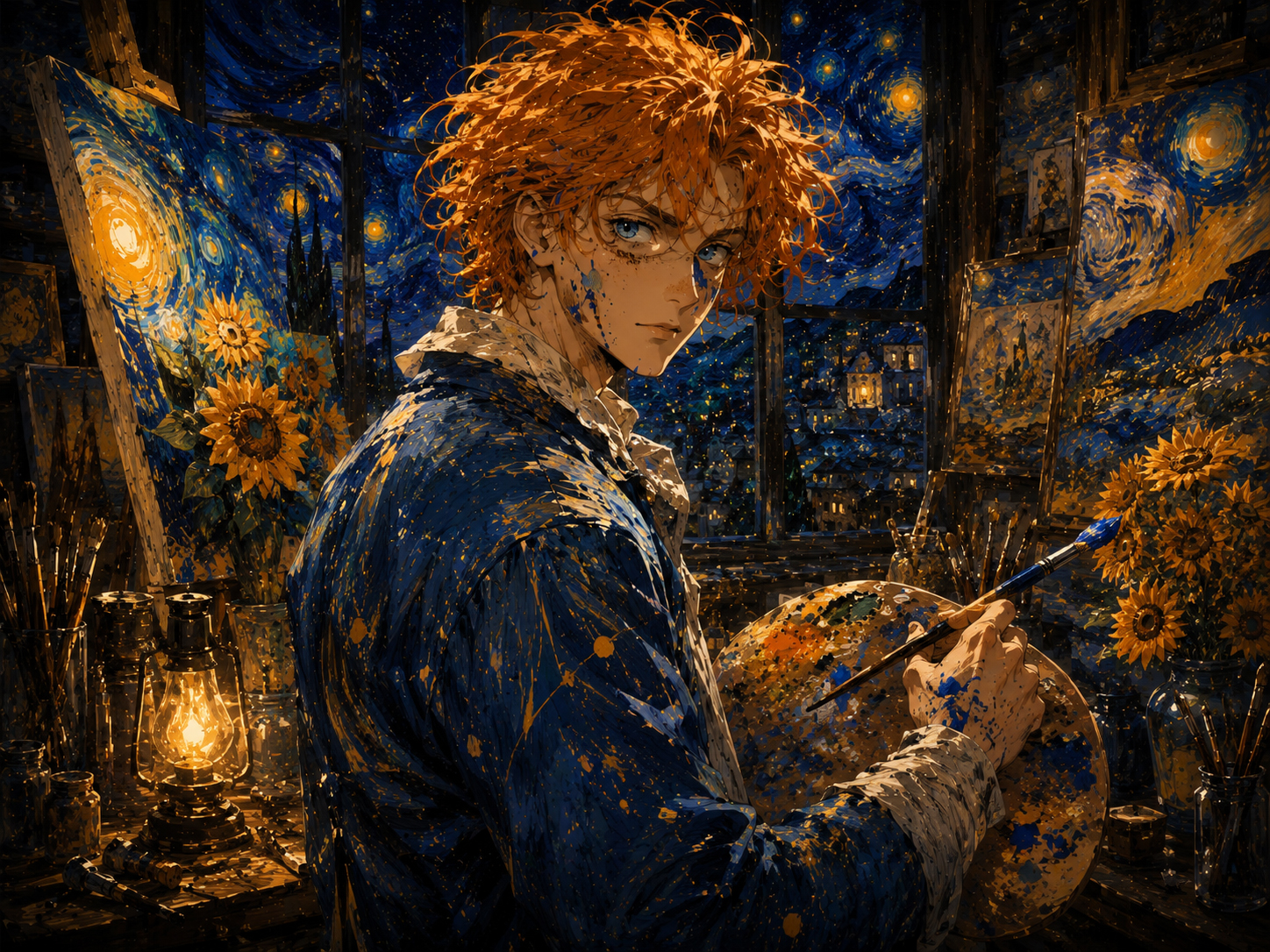
Sees emotion in stars, chairs, flowers, fields, and probably the museum cafeteria.
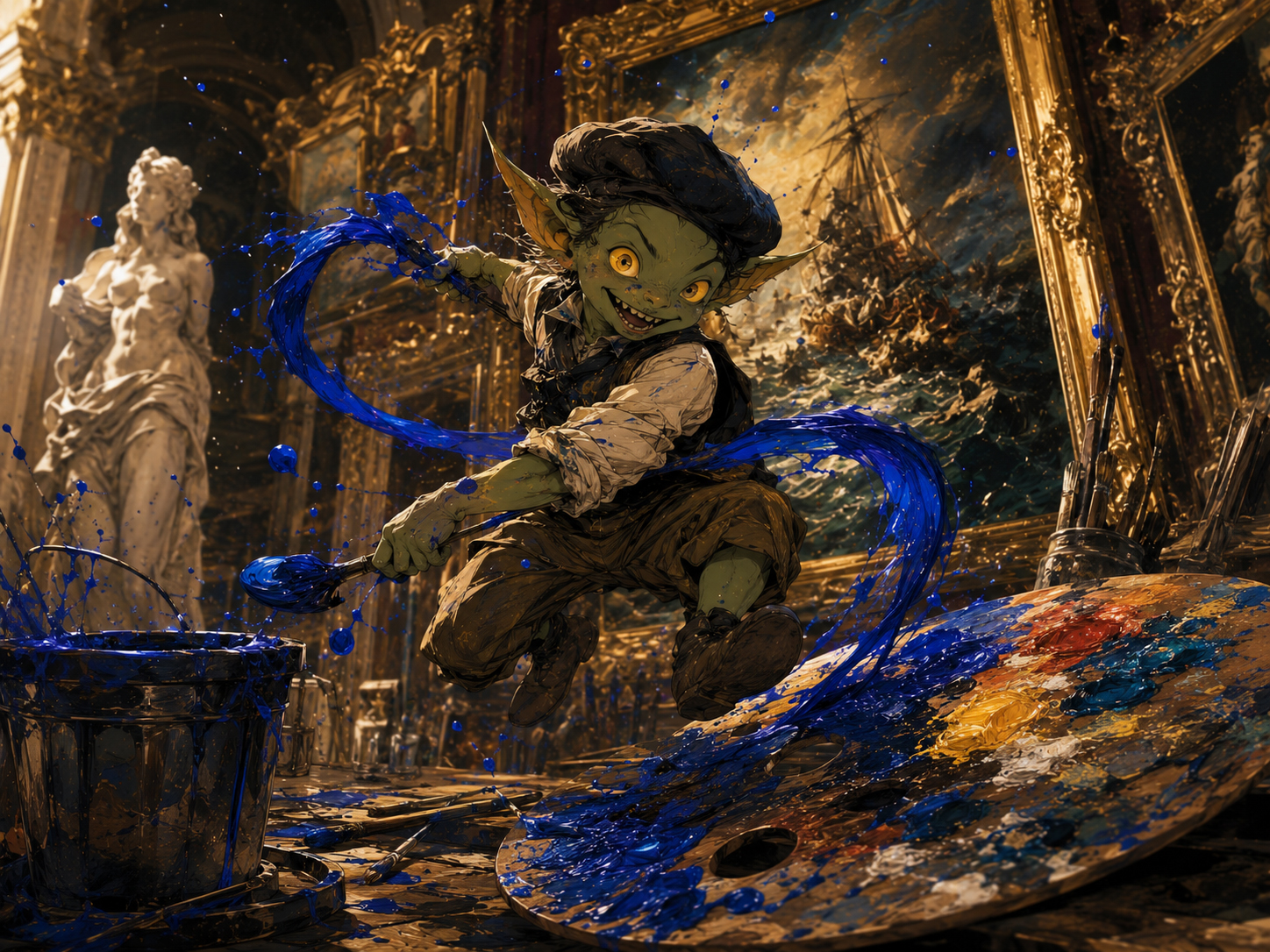
A tiny thief of hue, value, saturation, and other things he only half understands.
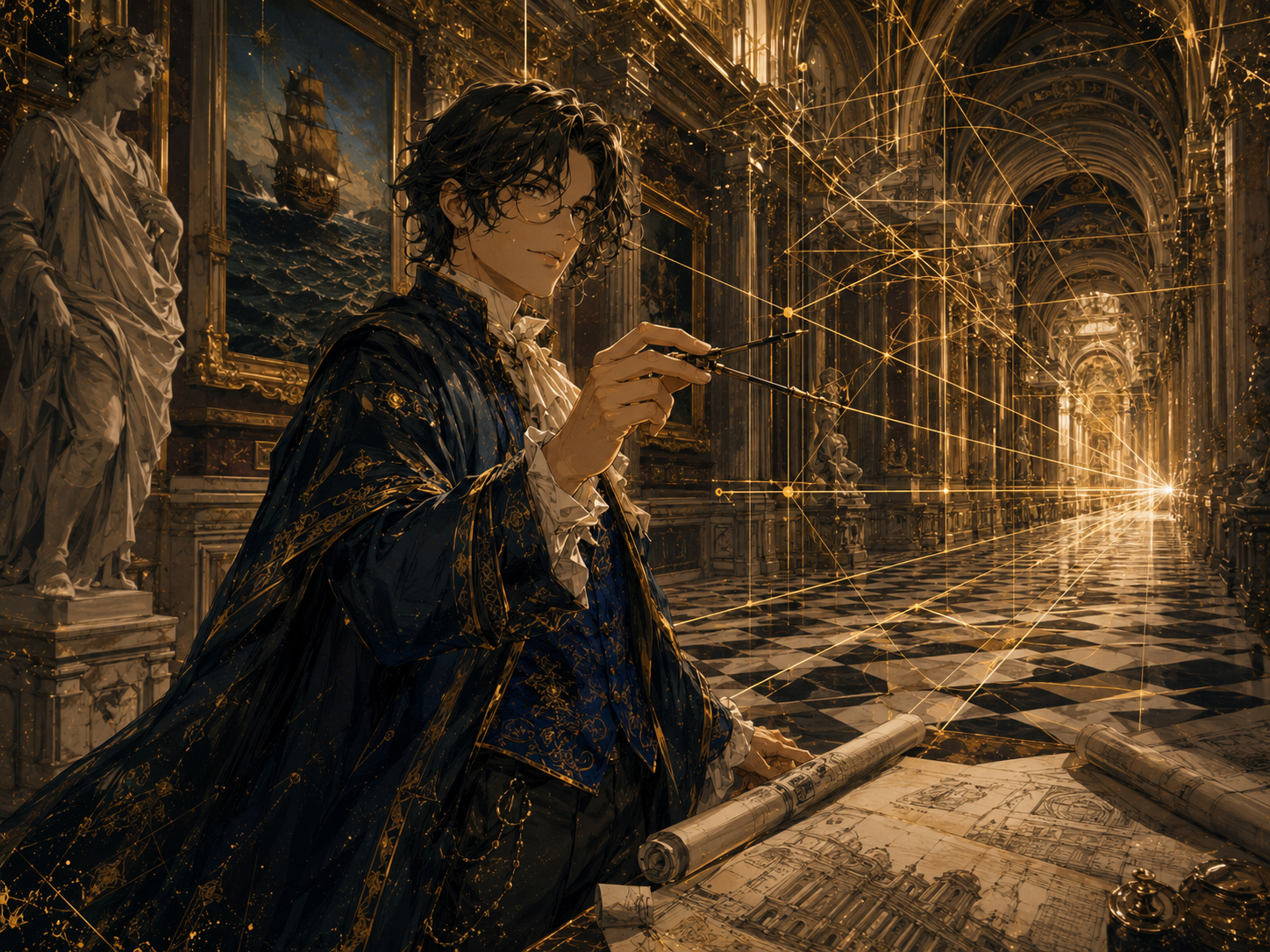
Measures reality, fixes rooms, and refuses to let tables float without a lecture.
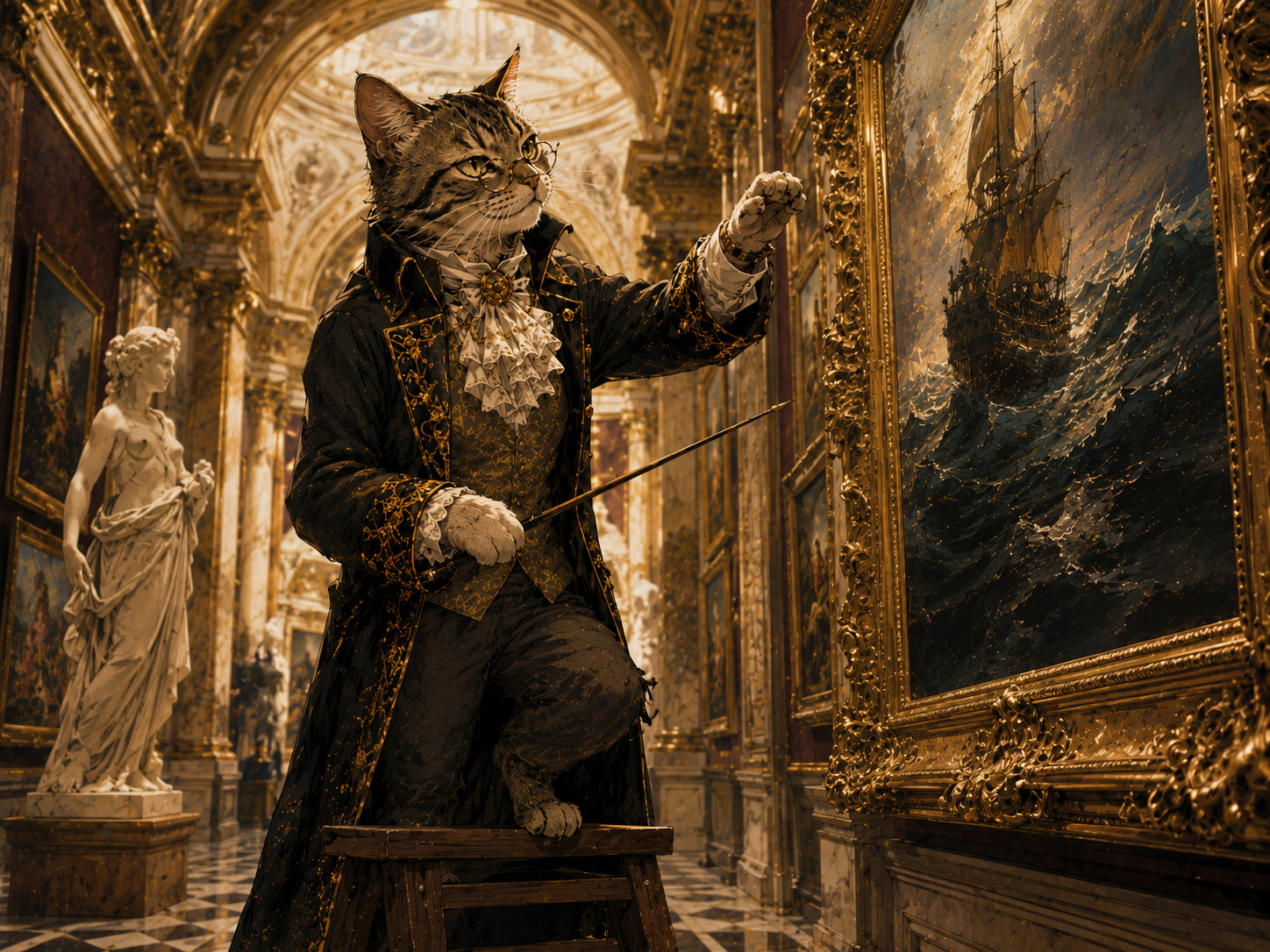
Hangs frames, judges spacing, protects labels, and sees every forbidden touch.
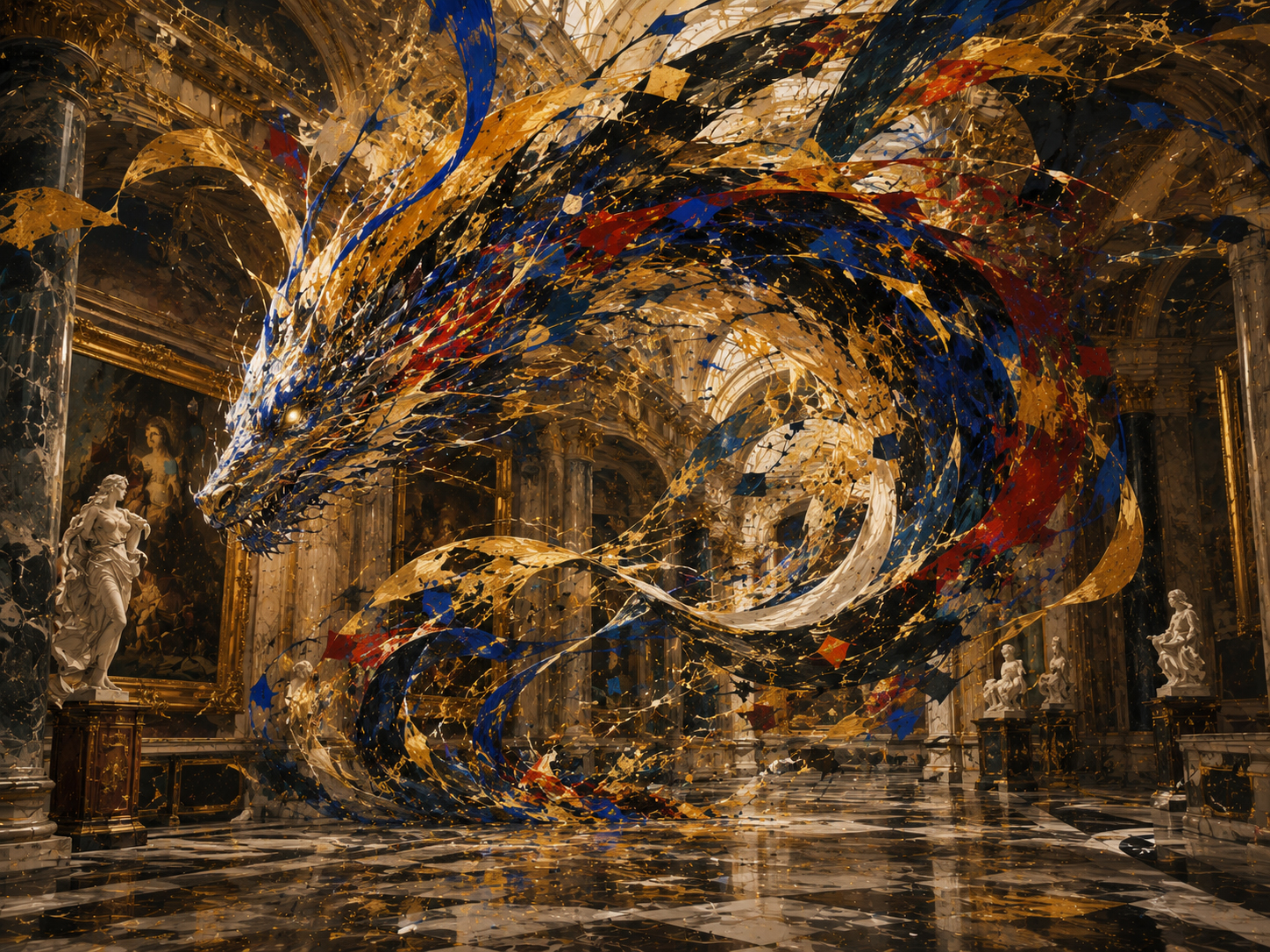
A living argument for color, rhythm, energy, shape, and glorious non-chairness.
The episodes are funny on the surface, but each one gives the reader a useful art-history handle: mystery, attention, expression, color, perspective, abstraction, curation, and preservation.
Episode page: full comic-style story.
Article tie-in: one practical art-history lesson.
Character card: recurring guide or villain.
Source note: public-domain inspiration where relevant.
The painting starts talking because the visitor is staring too fast. That is the whole FineArtDaily premise: slow down, look again, and let the museum become weird enough to teach you something.